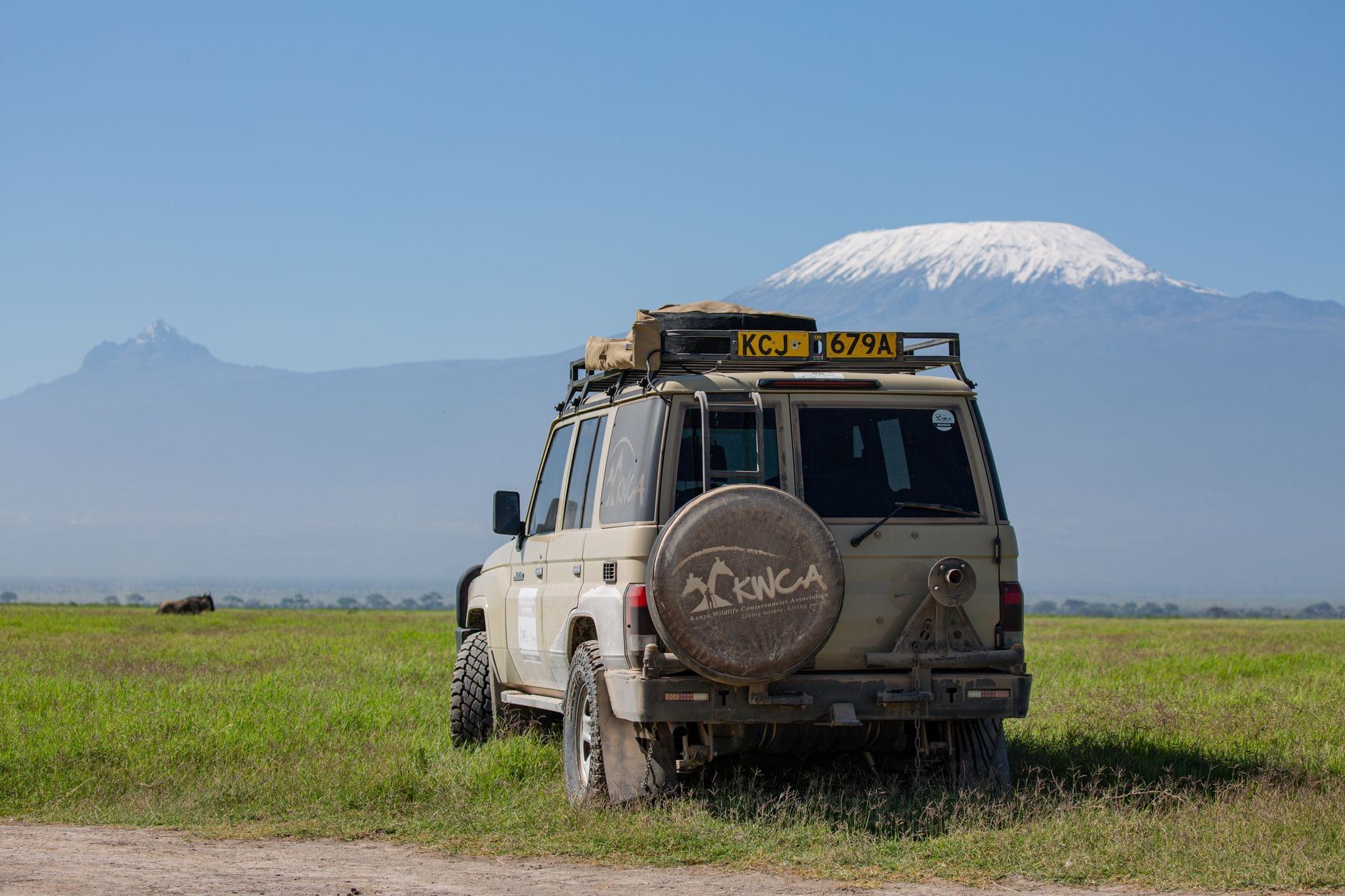
June through October, with January and February a close second. Those two dry windows deliver everything people come to Amboseli for: elephants crowded around the permanent swamps, thin vegetation that makes finding lions easy, and the best odds of seeing Kilimanjaro's snow dome without a cloud in front of it. The park sits in the mountain's rain shadow, so its calendar runs on two dry seasons and two wet ones rather than a simple summer-winter cycle.
This guide breaks the year down month by month, explains why the seasons work the way they do, and tells you when to go for wildlife, for photography, for birds, and for the lowest rates. If you're still shaping the trip itself, start with our guide to an Amboseli safari, then come back here to pick your dates.
Quick Answer: The Best Time to Visit Amboseli at a Glance
Two windows win. June to October is the classic long dry season, when wildlife has nowhere to drink except the swamps and every game drive feels stocked. January to February is the short hot dry season, when the mountain shows itself almost daily and the plains are still green from the November–December rains. For value, September and October beat July and August on price with the same animals; for rock-bottom rates, April to mid-June (Easter excluded) is the low season.
Rated month by month: Excellent — January, February, June, July, August, September, October. Good — March, December. Fair — April, May, November. High season runs December to March and July to October; low season April to June. Best weather: June–September and January–February. Worst: April, the wettest month.
| Months | Season | Wildlife | Crowds & prices |
|---|---|---|---|
| Jan–Feb | Short hot dry season | Excellent | Mid-to-high, but quieter than Jul–Aug |
| Mar | Long rains begin late month | Good | Mid |
| Apr–May | Long rains peak | Fair | Low rates, empty roads |
| Jun–Oct | Long dry season | Excellent | Peak; Jul–Aug most expensive |
| Nov | Short rains | Fair | Low-to-mid, discounts appear |
| Dec | Short rains taper off | Good | Festive spike late in the month |
Amboseli's Four Seasons: How the Year Works
Amboseli gets about 300mm of rain a year — that's semi-arid — because it sits on the northwest side of Kilimanjaro, in the mountain's rain shadow. The name itself is the Maa word for "salty dust," and the park's flat grey lakebed lives up to it. What rain does fall comes in two bursts: the long rains from March into early June, and the short rains in November and December.
The swamps explain everything about timing. Kilimanjaro's snowmelt filters down through volcanic rock and wells up year-round in permanent marshes like Enkongo Narok, so in the dry months every thirsty animal in a 392 km² park has to come to a handful of wet spots. That concentration is why dry-season game viewing is so reliable. Once the rains fill seasonal waterholes across the plains, animals disperse and finding them takes longer.
Temperatures barely swing across the year, but the daily range does. January and February average around 29°C; July days peak near 23°C. Dawn game drives are cold in every month — you'll want a fleece at 6 AM even when the afternoon feels like summer. Green-season days run warm and humid, often above 28°C, with afternoon thunderstorms building over the mountain.
June to October: Peak Season for Wildlife Viewing
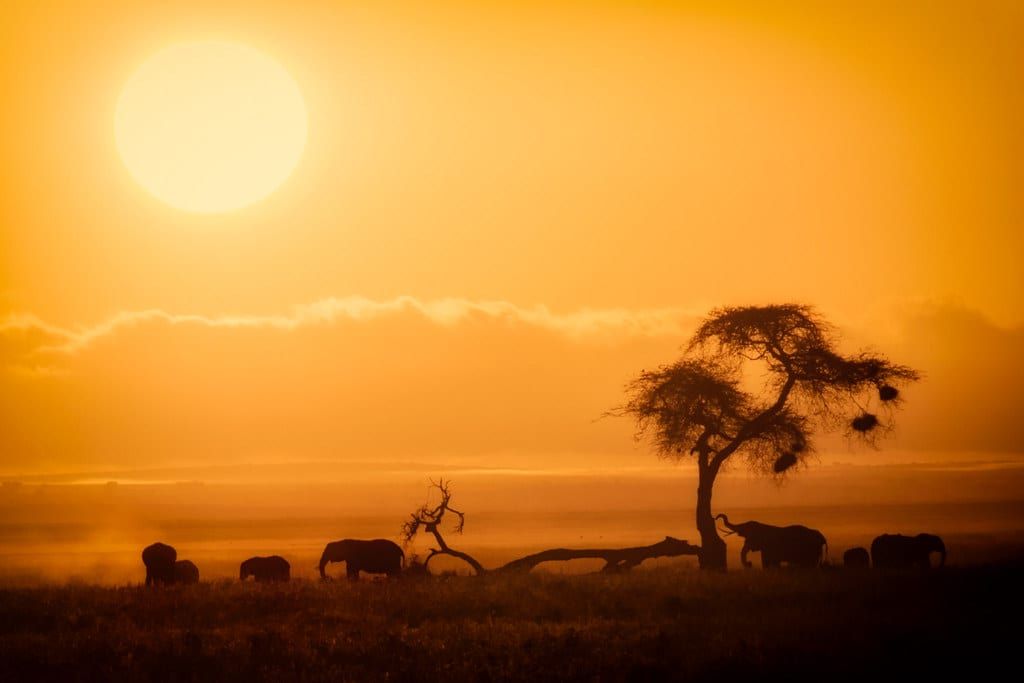
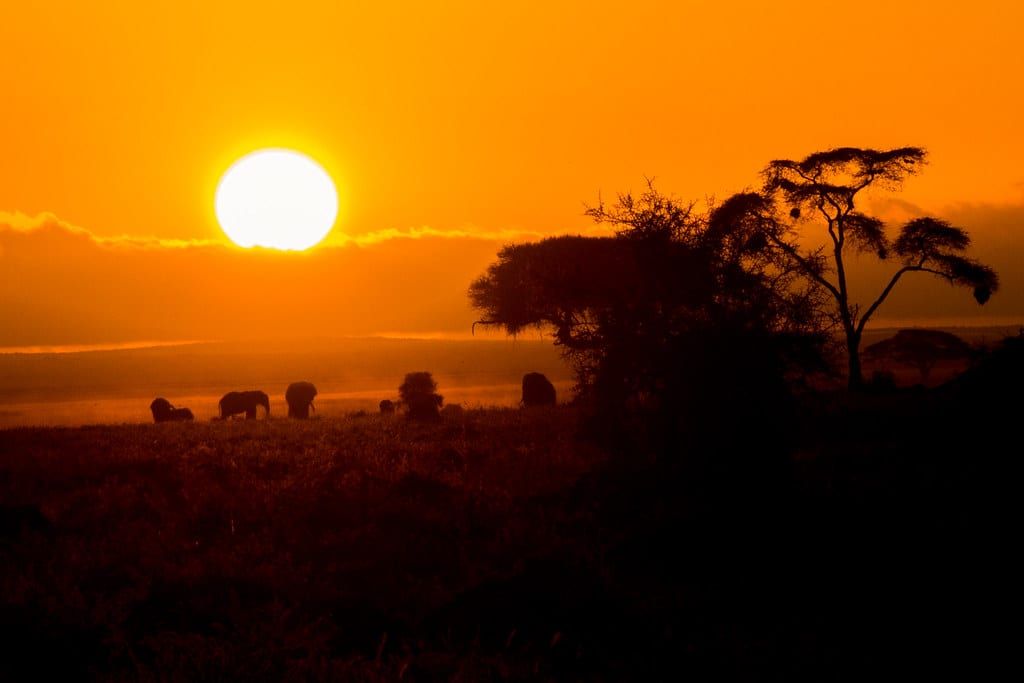
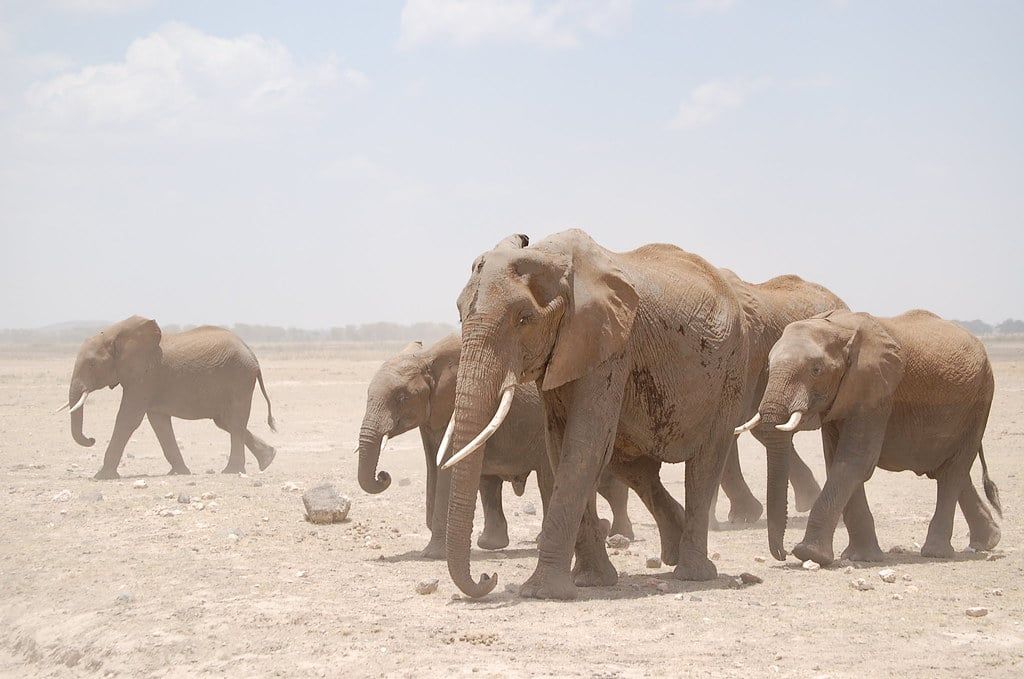
This is when Amboseli earns its reputation. Vegetation thins to stubble, the tracks stay firm, and the big matriarchal herds — part of a population of roughly 1,800 elephants — spend their days in and around the swamps. Short grass means lions are visible from hundreds of metres away. Mosquito numbers crash with the dryness, which matters if you're travelling with children; the dry season is the lowest malaria-pressure period of the year.
The trade-offs are dust, haze and people. Game drives run through fine volcanic powder that coats everything you brought, and by late season the skies can turn milky. The park is Kenya's most popular after the Masai Mara, and July–August demand is inflated further by travellers adding Amboseli onto Masai Mara wildebeest-migration trips. Expect vehicles stacked up five deep around a good swamp sighting.
Book accommodation early for these months — lodges genuinely sell out. And if you're weighing dates, September and October deliver the same concentrated game with slightly better rates and more room availability than July and August. For the park's famous big tuskers and habituated elephants, any dry month works; the old bulls wade the marshes shoulder-deep all season and the herds pass within metres of vehicles.
January to February and December: The Clear-Sky Second Dry Season
January and February is the window most guides quietly prefer. The short rains have ended, the swamps are full, the grass is still green rather than grey with dust, and Kilimanjaro is visible nearly every morning and evening — the clearest skies of the year. Elephant herds gather at the swamps in serious numbers, and the crowds that pack July are noticeably thinner. For photographers, the combination of green backdrops, full marshes and a daily mountain beats anything midsummer offers.
It's hot. Days push past 29°C and the heat builds toward the March rains, so plan drives for early morning and late afternoon and rest through midday. Accommodation still needs booking ahead — this is high season — but rates sit below the July–August peak.
December runs on a different clock. The short rains taper off through the month, leaving green scenery, arriving migrant birds and skies that clear between showers. The catch is the festive period: Christmas and New Year draw overseas visitors and Kenyan families alike, so late December gets crowded and expensive. Early December, before the school holidays, is one of the park's underrated stretches — green, bird-rich and comparatively empty.
The Green Season: March to May and November to December
Don't write off the rains until you know what you want. The long rains (March into early June) are the heavy ones: April averages around 12 rain days, downpours can wash out tracks, and Kilimanjaro spends much of the day behind cloud. Wildlife disperses to seasonal waterholes and hides in tall grass. If you're road-based, late March to May is the one stretch genuinely worth avoiding.
The short rains are a different animal. November brings roughly 80mm and December about 60mm, mostly as short, heavy late-afternoon showers; evaporation is fast in equatorial Kenya, so morning game drives barely notice them. Vehicles are few and camps discount rooms — though park fees stay fixed all year.
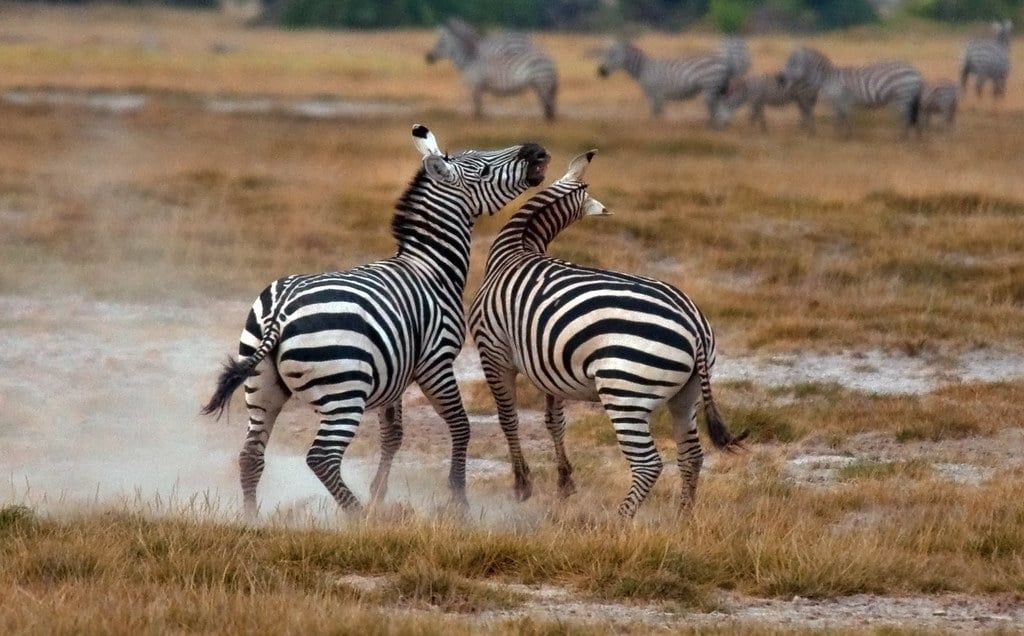
What the green season gives back is real. Over 400 bird species are recorded here, including 47 raptors, and Eurasian migrants arrive from October or November through April — the birding peaks exactly when the rates drop. Newborn zebra foals wobble across the plains, Thomson's gazelle fawns hide in the long grass, and elephant calves stay glued to their mothers. Light is dramatic, the plains are green, and very few camps close. If you go in the wettest weeks, fly in: a 35–60-minute flight from Nairobi's Wilson Airport sidesteps the washed-out roads entirely.
Best Time for Kilimanjaro Views and Photography
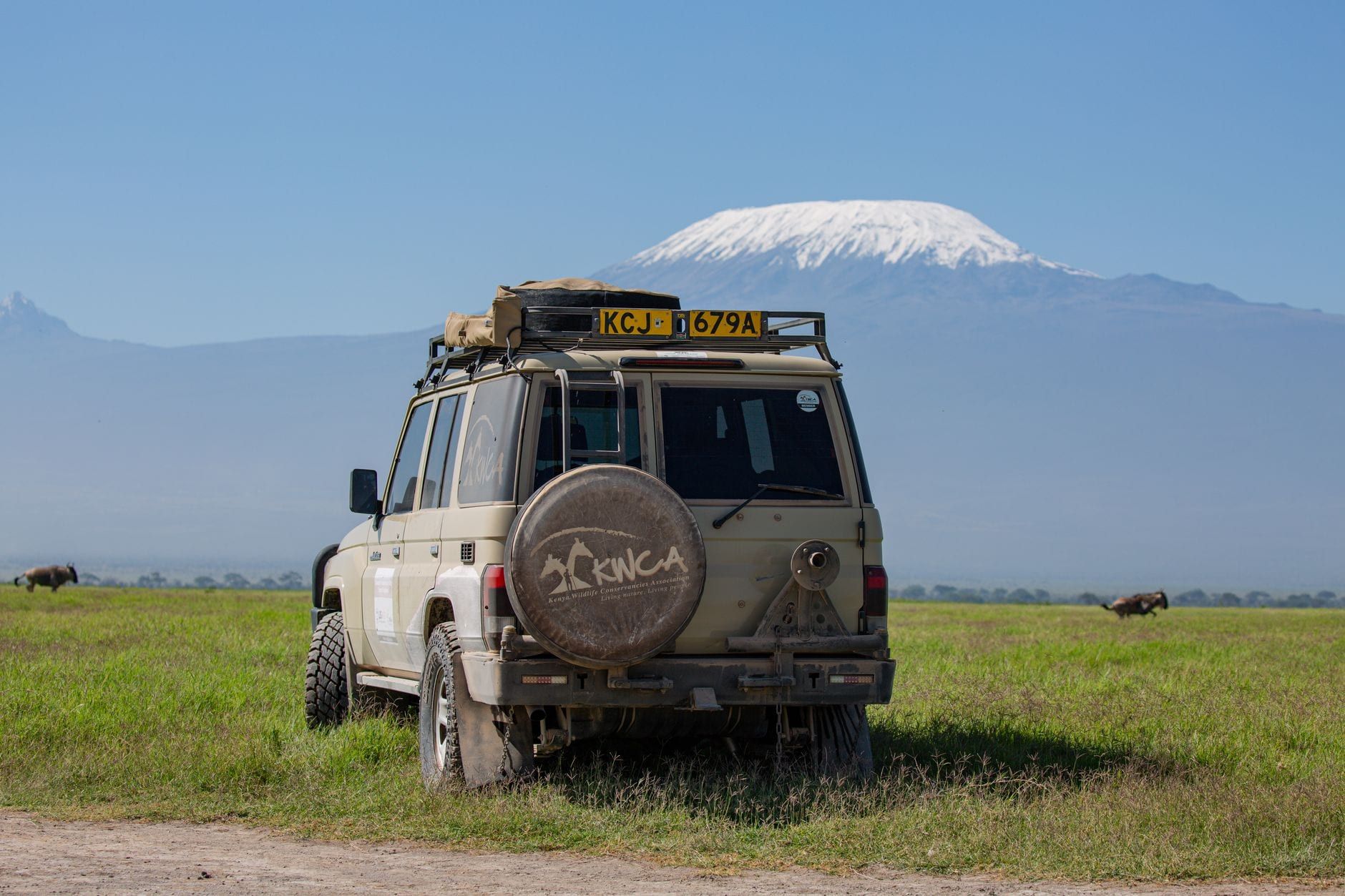
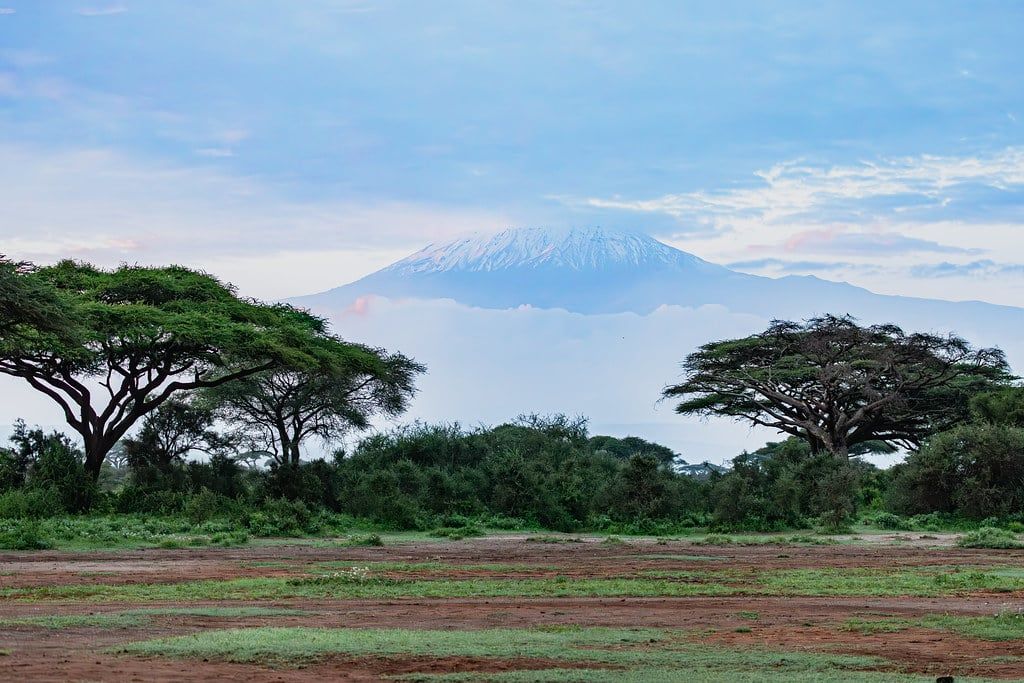
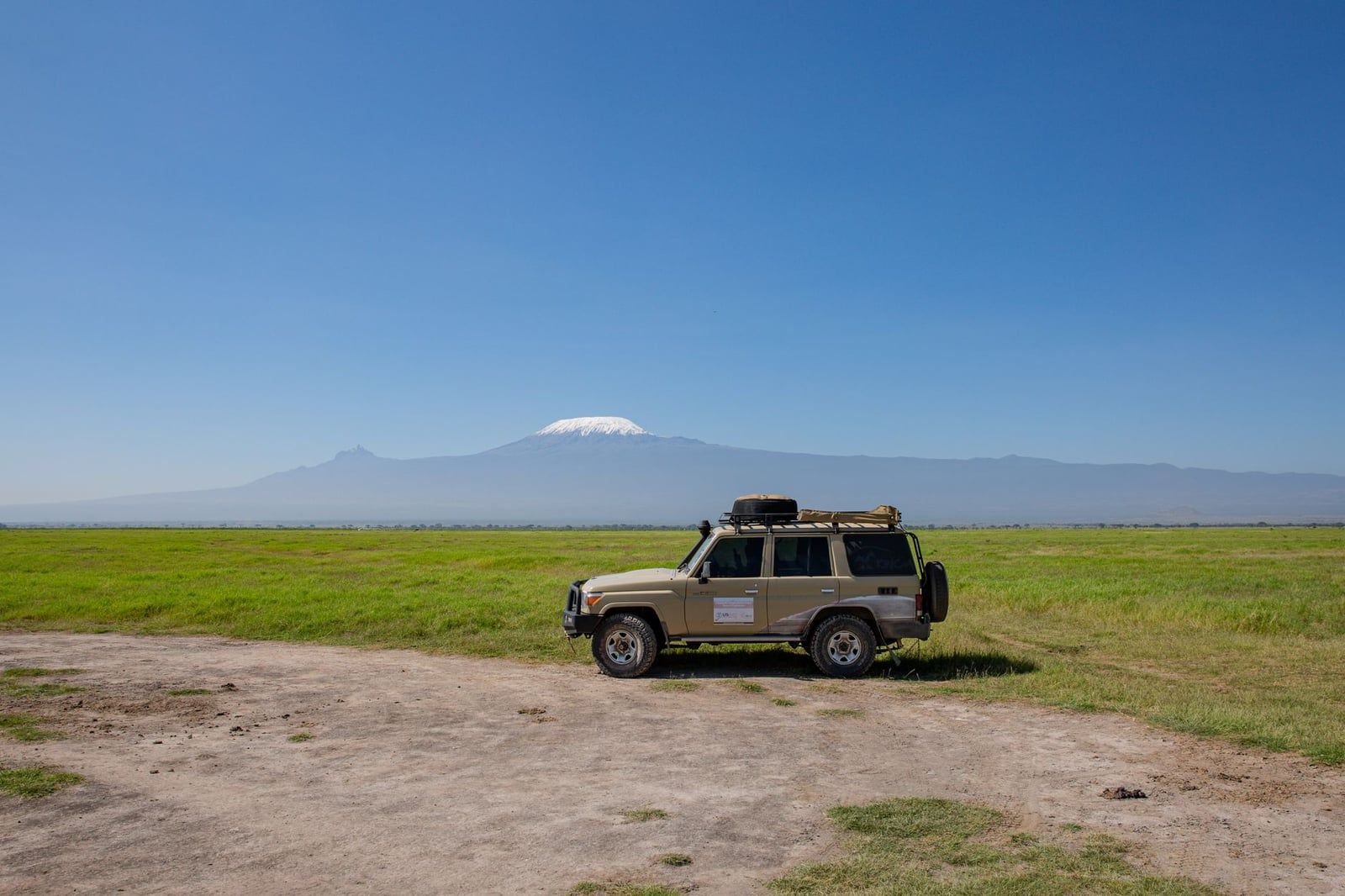
Kilimanjaro is a moody backdrop: the 5,895 m peak is often clamped in cloud, and first-time visitors are frequently disappointed at midday. Timing is everything. The mountain shows best at sunrise and again in late afternoon before convection clouds build, so structure your drives around the edges of the day. By season, the highest odds of cloud-free skies come in the two dry windows, January–February and July–October — January–February especially, when the mountain is visible nearly every morning and evening.
The counterintuitive window is right after rain. A shower scrubs the dust from the air, and a clearing green-season sky can produce the sharpest mountain views of the year — a trick almost nobody times their trip around. The enemy in the late dry season isn't cloud, it's haze: by September and October, dust suspended over the plains softens the peak even on clear days.
For the vantage, climb Observation Hill. It's one of the few places you may leave your vehicle, and the short rocky rise opens a 360° panorama over Enkongo Narok Swamp toward the mountain. Combine it with the park's signature image — a big-tusked bull in front of the snow dome — and you have the shot Amboseli is famous for. About 10 super tuskers remain in the wider ecosystem, bulls carrying tusks over 45 kg each, some long enough to brush the ground. Seeing one against the mountain at dawn is a matter of luck and patience; giving yourself two or three mornings doubles your chances of a clear peak.
Amboseli Month by Month
Here's how each stretch of the year actually feels on the ground, hinge months included.
January–February
Hot, dry and clear. Swamps full from the short rains, green grass, the mountain out most mornings. Crowds thinner than July; rates high but below peak. Bring sun protection and expect 29°C afternoons.
March
The hinge into the long rains. Clouds build, humidity rises, and the first serious storms arrive late in the month. Early March still game-drives well; by the end, tracks soften. Rates begin sliding toward low season.
April–May
The wettest stretch of the year. April is the wettest month; downpours can close tracks and the mountain hides. Offsetting it: the year's lowest lodge rates, empty roads, migrant birds everywhere, and newborn game. Fly in rather than drive if you come now.
June
The value shoulder. The bush is still green, skies are clearing, and the game is starting to concentrate again — but the crowds haven't arrived and rates haven't peaked. For price against experience, June is hard to beat.
July–August
Peak everything. Best game viewing of the year, the mountain's clearest skies, cold 6 AM drives (July highs around 23°C) — and the highest prices and fullest lodges. Book months ahead.
September–October
Same concentration of animals as July–August, with better room availability and slightly softer rates. Skies hazier as the dust builds. The smart pick if your dates are flexible.
November
Short rains arrive — roughly 80mm, mostly late-afternoon showers that rarely spoil a morning drive. Migrant birds pour in, discounts appear, and vehicles thin out. Game viewing rates Fair because animals spread out.
December
Rains taper (about 60mm), scenery stays green and birding is excellent. Calm until the Christmas–New Year spike, when overseas visitors and Kenyan families fill the lodges and prices jump. Early December is the quiet, green bargain.
Prices, Crowds and How to Book Smart
Lodge rates move in three tiers. July–October is peak season; January–March and November to mid-December sit mid-to-high; April–June is low season, with the cheapest months April to mid-June — as long as you dodge the Easter window, when school-holiday crowds and holiday pricing return for a fortnight. Christmas and New Year spike the same way.
Park entry fees don't move at all: non-residents pay US$90 per adult and US$45 per child per 24 hours, East African citizens KES 1,500 and KES 750, paid cashless through the KWSPay eCitizen portal. Vehicle charges run from KES 600 per day for a small 4x4. What changes with the seasons is the cost of your bed — and where you sleep inside the park determines most of the budget.
The value playbook is simple. Shift July–August plans to September–October and you get the same dry-season game with easier bookings and lower rates. Or take the shoulder months — June, September and October — the best price-to-experience balance of the year. For the dry-season peak, book accommodation several months out; Amboseli is Kenya's busiest park after the Masai Mara and the inside-park lodges are finite.
| July–August | September–October | |
|---|---|---|
| Room rates | Highest of the year | Slightly cheaper — more rooms free |
| Booking lead time | Sells out first; book far ahead | Better availability |
| Game viewing | Peak concentration at the swamps | Equally concentrated |
| Crowds | Heavy, especially at the swamps | Busy but looser |
| Kilimanjaro skies | Clearest skies of the dry season | More dust haze late season |
| Verdict | The classic choice if cost is no object | Same safari, smarter spend |
Practical Tips for Timing Your Amboseli Safari
Match the season to what you actually want from the trip:
- Best wildlife: June–October, with September–October the value pick.
- Kilimanjaro photography: January–February, drives at dawn and late afternoon.
- Birding and lowest rates: November–April green season.
- Fewest crowds: early December, or April–mid-June if you fly in.
- Families and malaria caution: dry months, when mosquito pressure is lowest.
To dodge dry-season congestion, sleep on a community conservancy. Selenkay, about 45 minutes east of the park, caps its camp at 18 guests and admits only those guests — even at full capacity you're secluded. Conservancies also run the activities the park forbids, night drives and walking safaris, and the fees go directly to the Maasai communities who own the land.
Access matters most in the wet months. By road it's roughly 204 km to Iremito Gate via Emali, or 220 km via Namanga, in 4–5 hours — mostly good tarmac, with a high-clearance 4x4 needed for the final stretches. After the long rains that last stretch can be brutal, which is when the 35–60-minute flight from Wilson Airport (from about US$160 one-way) earns its price. Full transport options and routes are covered here, and an overnight safari from Nairobi handles the logistics for you.
Health and packing, briefly. Malaria risk is lowest in the dry months and highest in the green season — prophylaxis and DEET are wise year-round, and the park is lowland, so take it seriously. Whatever the month, pack a warm fleece for 6 AM drives, a poncho if you're coming between November and May, and something to keep the dust out of cameras from June to October. And if you'd rather have someone match the season to your dates and budget, the full range of Amboseli safari tours is worth a look.
Frequently asked questions
What is the best month to visit Amboseli National Park?
January–February is the best overall window: the clearest Kilimanjaro skies of the year, swamps still full from the short rains, and green rather than dusty plains. June–October matches it for wildlife; September–October is the best-value version of the dry season.
When can you actually see Mount Kilimanjaro from Amboseli?
Most reliably in the dry seasons — January–February and July–October — and always at sunrise or late afternoon before clouds build. The mountain often hides at midday. A often-missed bonus: right after rain, dust-free skies can give the sharpest views of the year even in the green season.
Is Amboseli worth visiting in the rainy season?
Yes, for birders, photographers and budget travellers. Over 400 bird species are present with Eurasian migrants from around October to April, newborn zebra and gazelle appear, rates drop and vehicles vanish. The caveat is April–May, when downpours can wash out roads — fly in rather than drive.
What is the cheapest time to visit Amboseli?
April to mid-June, excluding the Easter holidays. Most camps stay open at reduced rates, while park fees stay fixed year-round. July and August are the most expensive months; September–October is slightly cheaper.
When is the malaria risk lowest in Amboseli?
In the dry months, June–October and January–February, when mosquito numbers fall sharply. The wet season carries the higher risk. Prophylaxis, repellent and covered arms at dusk are still advised whatever the month.
How far in advance should I book an Amboseli safari?
For July–October and January–February, book several months ahead — Amboseli is Kenya's most visited park after the Masai Mara and inside-park lodges are limited. Expect extra crowds and higher prices at Easter, Christmas and New Year.
Is December a good time to visit Amboseli?
Mostly yes. The short rains taper off through the month, leaving green scenery, arriving migrant birds and clearer skies between showers, with lower early-month rates. The exception is late December: Christmas and New Year bring a crowd and price spike.