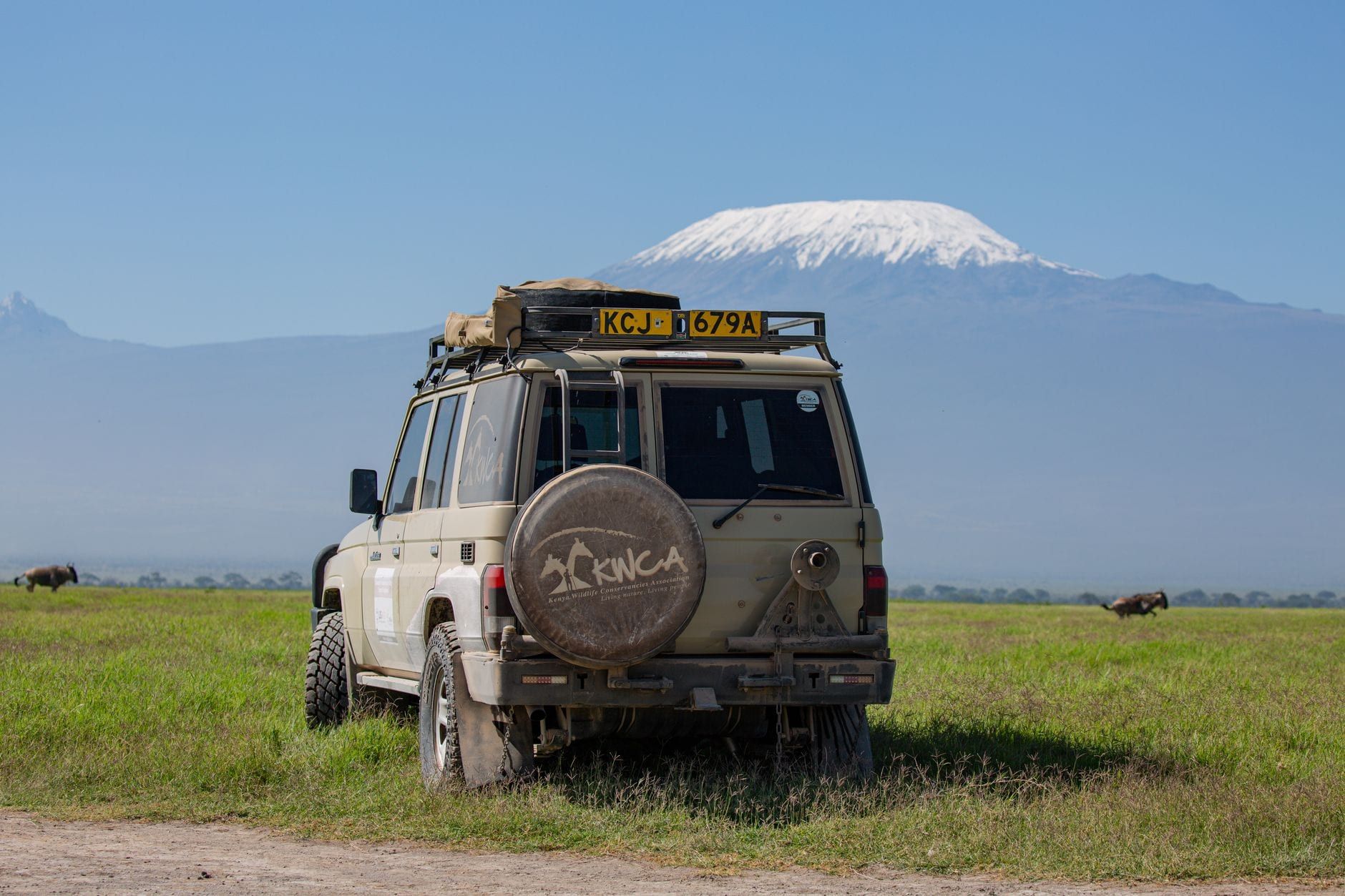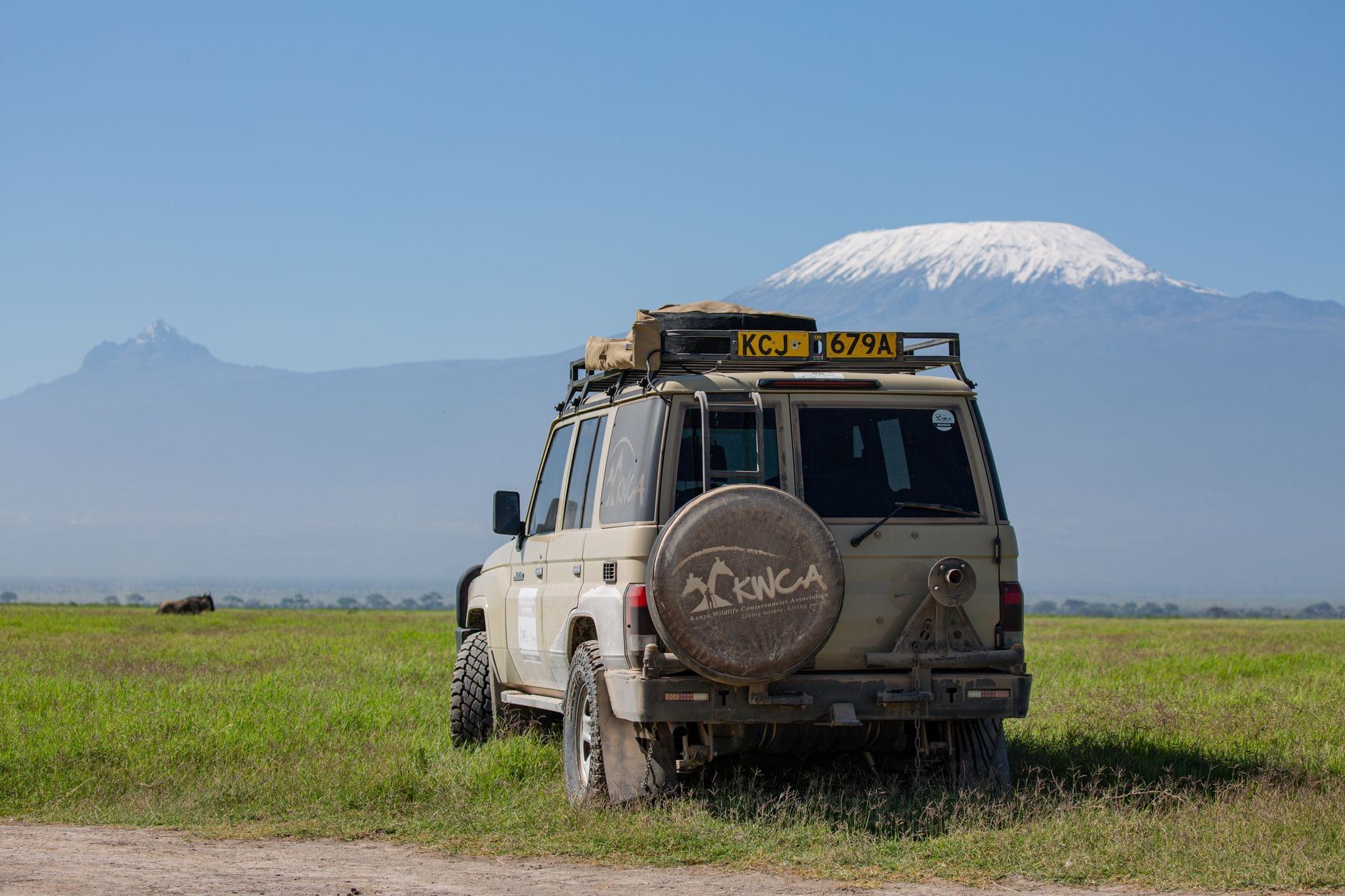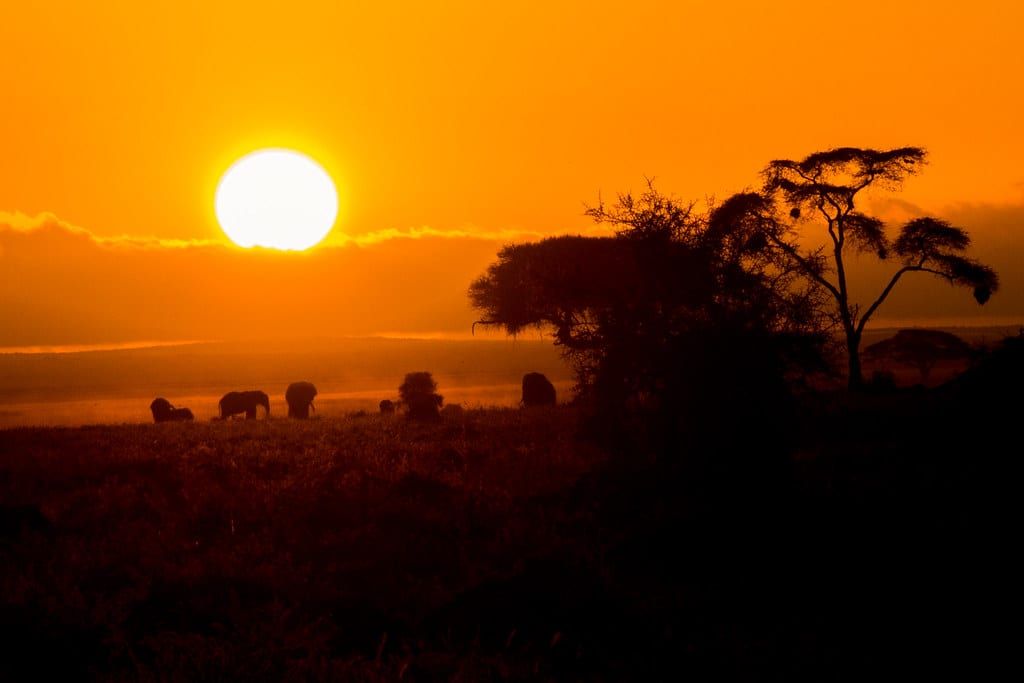
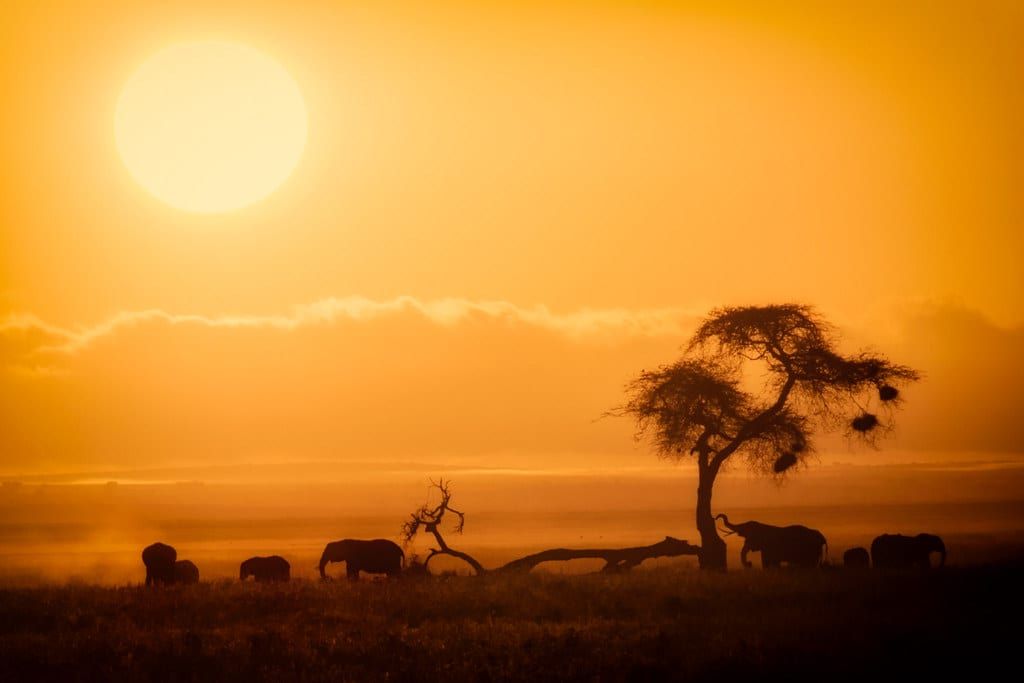
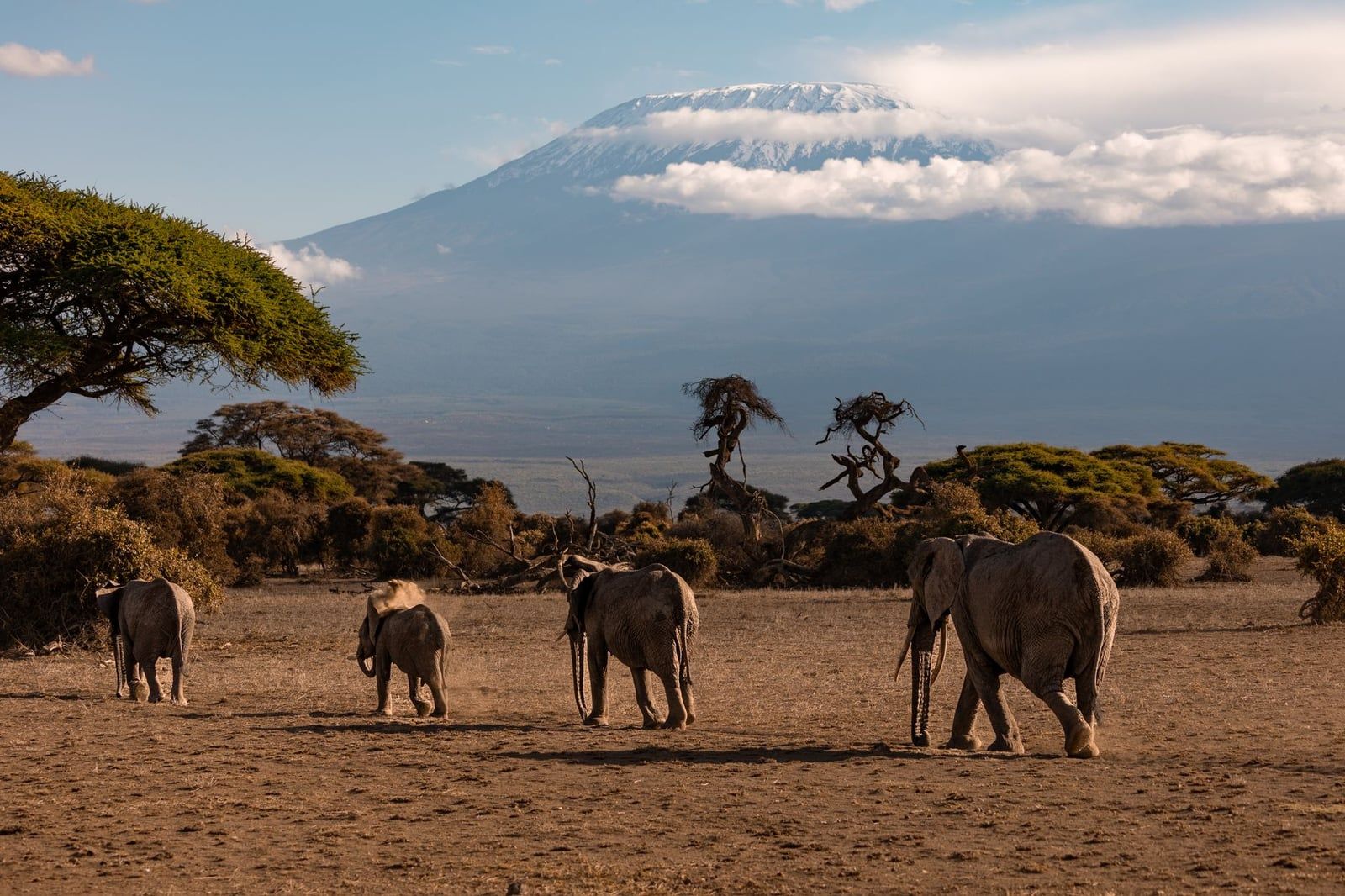
An Amboseli National Park day trip is a 12-to-14-hour commitment from Nairobi: a pickup between 5 and 5:30 AM, four to five hours of driving each way, and roughly five hours inside the park. In exchange you get the best elephant viewing in Africa with Mount Kilimanjaro standing directly behind the herds — a scene no other park can hand you in a single day from Kenya's capital.
This guide covers the route and drive times, a full hour-by-hour itinerary, current park fees, what wildlife you'll realistically see, and the honest cases for and against adding a night. Most day tours from Nairobi follow the same skeleton, so what follows is what you'll actually be signing up for.
Is an Amboseli Day Trip Worth It? The Short Answer
Yes — if you're honest about the tradeoff. You'll spend eight to ten hours in a vehicle to earn about five hours of game viewing. That ratio sounds poor on paper, yet those five hours land you among the largest elephant population in any park in Africa, inside 392 square kilometres of swamps and dust plains at the northern foot of Kilimanjaro. For a first safari, or for a single-day fix between meetings in Nairobi, it delivers.
The day suits three kinds of traveler: people on a JKIA layover of roughly 12 hours or more, visitors with two or three days in Nairobi and no room for an overnight, and first-timers testing whether safaris are for them. It's a poor fit for photographers chasing the definitive Kilimanjaro shot or anyone who wants lions — those need dawn and dusk hours you won't have.
Logistics are simple. Tours run as shared group departures in a white minivan with a pop-up roof, or as private trips in an open-sided 4WD with tiered seating. A driver-guide handles the park entry paperwork and picks the tracks; you handle the camera. If you're weighing whether Amboseli safari tours generally justify the drive, the short answer is the same: the park over-delivers on elephants and scenery, and under-delivers on cats.
The honest verdict: book the day trip if Nairobi is your base and your calendar is tight. If Amboseli is the centerpiece of your Kenya trip, spend a night — the argument is laid out later in this guide.
Getting to Amboseli: Route, Drive Time, and Flight Options
The standard route is 204 km and takes four to five hours each way. Two hours of it are on the A109 Mombasa Road to Emali, then about 90 minutes on the Emali–Loitokitok road, with the final 18 km to Iremito Gate unpaved and often corrugated. A western alternative runs 220 km via Namanga to Meshanani Gate, but that last stretch is rough murram — the Emali route is the one most day tours use.
Emali is the last place with fuel, banks, ATMs and shops. There is nothing of the sort inside the park, so a competent operator stops here for a break and a top-up. If you're planning the drive yourself, the full breakdown of how to get to Amboseli — including the Namanga option and self-drive requirements — is worth reading before you commit to a rental car.
Flying changes the arithmetic completely. Light aircraft from Nairobi's Wilson Airport reach the Amboseli airstrip in 35 to 60 minutes on Safarilink, AirKenya, FlexFlight or Fly ALS, with one-way fares from roughly US$160 and typically US$180-320. The catch is cost: two flights can exceed the price of the entire road day trip. Flying earns its keep on one- and two-night trips, where the morning flight puts you in the park by 8:30-9:30 AM. For a single day, most travelers take the van and sleep on the way down.
The third option is the smartest of all if you can stretch the schedule: base yourself near the park the night before. Lodgings around Kimana and the eastern gates, plus camps in the Maasai-run conservancies about 45 minutes away, put you at a gate by 6 AM when it opens. You reclaim the entire dawn window that a Nairobi departure surrenders to tarmac.
Your Hour-by-Hour Amboseli Day Trip Itinerary
Every operator publishes a slightly different schedule, but the skeleton below is what the day actually looks like. Times shift with Nairobi traffic and gate queues.
05:00-06:00 — Pickup and the drive south. The van collects you from your hotel or directly from JKIA, and you roll onto Mombasa Road before sunrise. The pre-dawn drive is genuinely cold — July mornings in the highlands drop sharply — so keep a fleece in your daypack. Sleep if you can; the next five hours are the least interesting part of the day.
10:00-10:30 — Gate entry. Budget 15-30 minutes at Iremito for check-in, fee confirmation and vehicle registration. Park entry is cashless through the KWSPay eCitizen portal, and operators who haven't pre-paid can lose time here. Gates open at 6 AM and close at 6 PM sharp; your ticket is valid for a single access of up to 24 hours.
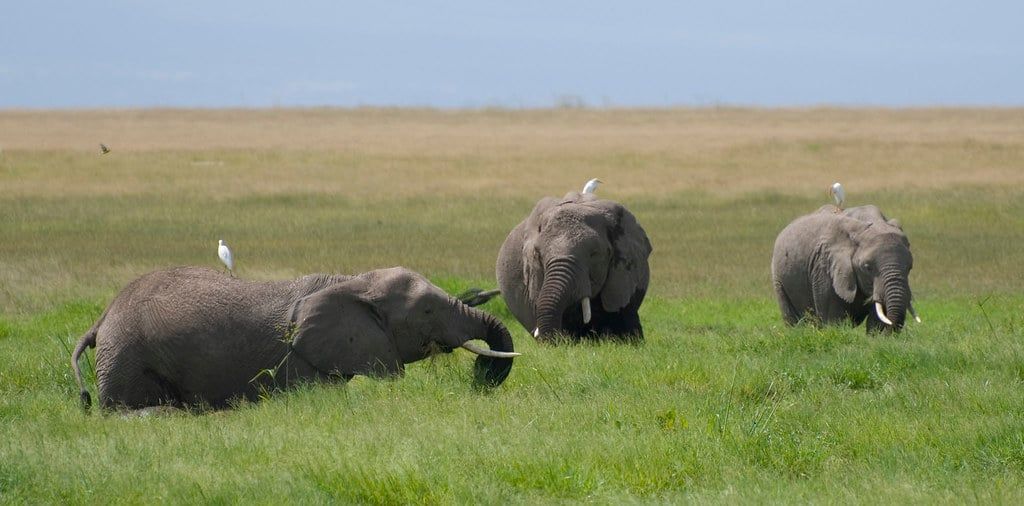
10:30-12:30 — Morning game drive toward the swamps. The driver-guide heads for the permanent swamps — Enkongo Narok chief among them — where buffalo and hippo crowd the reeds and old bull elephants feed shoulder-deep in the marsh. Because underground water and snowmelt from Kilimanjaro keep these swamps wet year-round, this is where the wildlife concentrates regardless of season. You'll cover the dust plains between stops, past zebra and wildebeest herds that barely glance at the vehicle.
Observation Hill
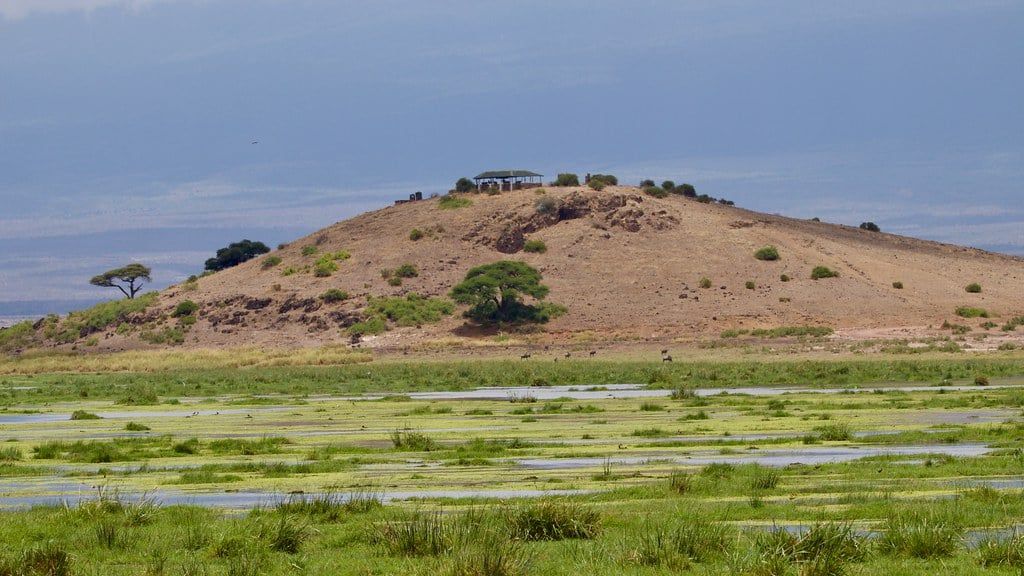
Mid-morning, most itineraries stop at Observation Hill (Nomatior), one of the few designated spots where you may leave the vehicle. A short climb up the rocky outcrop on steps delivers a 360-degree panorama over the swamps toward Kilimanjaro, with picnic shelters at the top. It's the classic photo vantage — the frame of grey dust plains, green swamp and, if the clouds cooperate, the mountain — and a leg-stretch you'll welcome after a morning in the van.
12:30-13:30 — Lunch at an in-park lodge. The standard arrangement is a buffet at Amboseli Serena or Ol Tukai Lodge, both sitting on the swamp edge with elephants frequently visible from the terrace. Midday is the least productive wildlife window anyway, so the pause costs you little. Some budget tours pack a picnic instead; check before you book if the lodge lunch matters to you.
13:30-15:00 — Afternoon drive, then the run north. The afternoon block usually tilts toward predators — lions are present but famously hard to find, with prides of four to ten ranging wide — before a scenic exit drive around 3 PM. Back on the tarmac, Nairobi arrives between 7 and 8 PM, with JKIA drop-offs timed for evening flights. A 12-hour layover is the practical minimum; 14 is comfortable.
Wildlife and Landmarks: What You'll Actually See in One Day
Set expectations now and the day will feel like a success. Amboseli over-delivers on elephants, plains game and landscape, and under-delivers on cats — anyone selling you a "Big Five experience in a single day" is selling you something the park cannot provide. There are no rhino in Amboseli, and leopards are almost never recorded. The honest ceiling is four of the Big Five, and three is far more likely.
Elephants: the reason the day trip works
Roughly 1,800 elephants live in this small park — the largest population of African elephants anywhere — and they are the most studied herds on Earth, monitored continuously by researchers since 1972. Because the park never suffered serious commercial poaching, it still holds genuinely big old tuskers. The herds are relaxed around vehicles to a degree that startles first-time visitors: matriarchs will lead calves across the track a few metres from your bumper. If elephants are what you came for, one day in Amboseli beats a week almost anywhere else.
The realistic one-day checklist
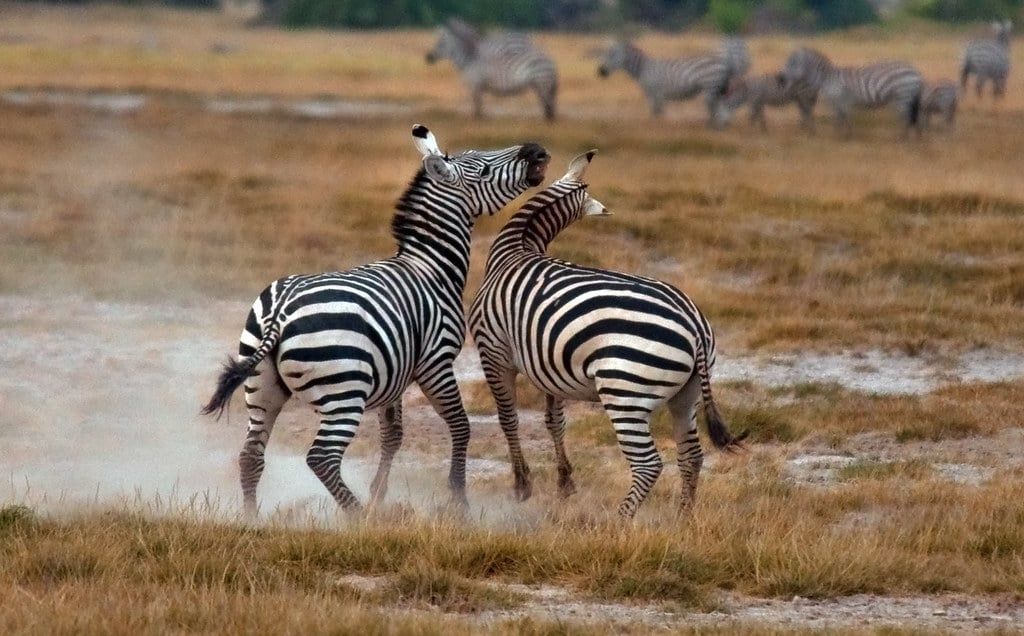
Near-guaranteed: elephants in the hundreds, Maasai giraffe, Grant's zebra, wildebeest, Thomson's and Grant's gazelles, impala, Cape buffalo, hippo in the swamps, and yellow baboon along the woodland edges. Luck-dependent: lions (prides of 4-10, wide-ranging and far less confiding than the Mara's), East African cheetah, spotted hyena and black-backed jackal. Essentially off the table: rhino and leopard. For species-by-species detail, our guide to Amboseli's animals covers what the park's 50-80 mammal species mean for a short visit.
Kilimanjaro: will the mountain show up?
Sometimes, and it's worth the gamble. The 5,895 m snow dome sits immediately south across the Tanzanian border and dominates the skyline whenever it escapes the cloud that usually swaths it. Dawn and late afternoon are the best windows, July and August the clearest months, and the peak often emerges right after rain. On a day trip, your likeliest clear views come on the approach road in late morning and again in the final hour before exit — cloud often builds through the middle of the day. Don't panic if the summit hides at noon.
Lake Amboseli and the birds
The park's name comes from the Maa word Empusel — a salty, dry place — yet its heart is a chain of green swamps fed by water filtering underground from Kilimanjaro. The dried Pleistocene lake bed at the centre pulls off a neat trick: in the dry season it throws heat mirages that shimmer like water on the horizon, while in the wet season shallow flooding can draw seasonal flamingo flocks. Birders get the better end of the deal year-round — over 400 species, including 47 raptors and threatened vultures, in a park you can cross in an afternoon.
How Much an Amboseli Day Trip Costs
Across the 22 bookable Nairobi day trips on the major marketplace, prices run from €194 to €572 per person, with shared group departures starting around €224. Independent budget operators advertise from about US$170 per person including transport, park fees and the lodge lunch. Private tours price by group size, and the per-person math improves fast as your party grows.
| Tour type | Typical price per person | Vehicle |
|---|---|---|
| Shared group tour | US$170-230 | Minivan, pop-up roof |
| Private, 2-3 people | About US$220 | Open-sided 4WD |
| Private, solo traveler | About US$350 | Open-sided 4WD |
| Private, 6 or more | About US$200 | Open-sided 4WD |
Park entry is separate and often excluded from headline prices. Kenya Wildlife Service charges Amboseli as a premium park: US$90 per adult and US$45 per child or student for non-residents, valid for 24 hours, paid cashless via the KWSPay eCitizen portal. Children aged 5 and under enter free. Vehicles pay their own daily charge, from KES 600 for under 6 seats — operators absorb this, self-drivers don't. East African citizens pay KES 1,500 and Kenya residents KES 2,025. Full current rates are on our hours and fees page.
When comparing quotes, pin down exactly what's in the number. Typically included: hotel or JKIA pickup, transport, driver-guide, park entry (on better tours) and buffet lunch. Typically excluded:
- Drinks and bottled water (bring your own reusable bottle — single-use plastics are banned in Kenyan parks)
- Gratuities for the driver-guide, often US$10-20 per guest
- Maasai village visit fee, if you take the cultural add-on
- Park entry, on tours that quote it separately
- Personal items: binoculars, camera fees are none, but bring cash for crafts
Children usually pay about 75% of the adult tour rate, with under-3s free on most departures. A family of four on a shared tour should budget roughly US$800-1,100 all-in for the day.
The Best Time of Year for an Amboseli Day Trip
June to October is the prime window. The long dry season thins the grass, concentrates game around the permanent swamps, and clears the air — Kilimanjaro is most visible in July and August, with daytime highs around 23°C in July. You pay for it in dust, which the dry season serves in industrial quantities, and in vehicle numbers around every good sighting.
January and February form a shorter, hotter dry season — around 29°C — with excellent game viewing, thinner crowds and softer prices. It's a strong compromise if you can't make the northern summer.
November and December bring short rains: heavy afternoon showers of roughly 80 mm and 60 mm respectively, which green up the scenery, fill the lake basin for flamingos and lift the birding, but scatter the wildlife and build cloud. March through May is the stretch to avoid — April alone averages about 12 rain days, tracks become genuinely difficult, animals disperse to filled waterholes, and the mountain disappears. The month-by-month detail is in our best time to visit Amboseli guide.
One more calendar note: weekends and Kenyan school holidays pull Nairobi traffic into the park. Midweek departures get you the same wildlife with fewer vehicles at each sighting.
Day Trip vs Overnight: When to Add a Second Day
The day trip's structural weakness isn't the drive — it's the timing. Predators are most active in the first and last hour of daylight, and Kilimanjaro is clearest at dawn, yet a Nairobi-based day tripper spends both windows on tarmac. An overnight trip buys those hours back: you game-drive at 6 AM when the gates open, not at 10:30 after four hours in a van.
| Day trip | Two days / one night | |
|---|---|---|
| Time in the park | About 5 hours | A full day plus arrival and departure drives |
| Best wildlife hours | Late morning and mid-afternoon only | Dawn and dusk drives included |
| Kilimanjaro odds | One chance, midday cloud is a risk | Two dawns and two dusks |
| Reference price | From about US$170 | From about US$345 |
| Best for | Layovers, short Nairobi stays | Amboseli as your only safari |
Reference prices make the decision concrete: roughly US$170 for the day trip, US$345 for two days and a night, and from US$935 for a private three-day, two-night safari. The rule of thumb is simple. If you're Nairobi-based and Amboseli is a bonus, one day is enough — the elephants and the swamps don't hide. If Amboseli is your only safari in Kenya, take the night; doubling your budget buys triple the productive game-drive time. Compare overnight Amboseli tours against the day options before you decide.
Practical Tips: Booking, Packing, and Making the Most of the Day
Choose your operator on three things: a bank of verified traveler reviews, the vehicle type named in writing (a 4WD, not a "safari van" that turns out to be a matatu), and an itemised quote that states whether park fees and lunch are included. The marketplace listing pages make the first easy — sort by review count, not price. On price, suspiciously cheap quotes almost always mean park fees excluded.
Packing for a 5 AM start and a dusty park comes down to a short list:
- A buff or scarf for the dust — the park's most common complaint
- A fleece or warm layer for the cold pre-dawn drive
- Sun protection: hat, sunglasses, high-SPF sunscreen
- A reusable water bottle (plastic bottles are banned)
- A camera with a long lens, plus a zip-lock bag for dust
- Binoculars — cheap ones beat none for the lion searches
Many day tours add a Maasai village visit on the way back, for a cultural fee paid at the village. You'll get traditional songs and dances, a look inside a manyatta homestead, and handicrafts for sale. Ask before photographing anyone — it's expected courtesy, and some shots carry a small fee. If the stop doesn't appeal, say so when booking; operators will usually drop it.
For photography, work the edges of the day. The approach road in late morning and the final hour before exit are your Kilimanjaro windows; the swamps give you elephants at close range in flat light; and the fine volcanic dust that hangs in the air at sunset turns it amber. Keep your camera bag zipped between stops — dust is the park's most reliable resident. And go to bed early the night before. The 5 AM pickup is the price of the whole day, and the mountain pays it back.
Frequently asked questions
How long is the drive from Nairobi to Amboseli National Park?
About 204 km to Iremito Gate via Emali, or 220 km via Namanga to Meshanani Gate. Count on four to five hours each way, making the full day 12-14 hours door to door.
Can you see Mount Kilimanjaro on an Amboseli day trip?
Usually, but not always. Amboseli offers the best views of the 5,895 m mountain anywhere, yet the summit spends much of each day under cloud. Dawn and late afternoon are the clearest windows, and July-August the most reliable months.
How much does an Amboseli day trip from Nairobi cost?
Shared group tours start around US$170-230 per person; private tours run roughly US$200-350 depending on group size. Park entry is US$90 per adult and US$45 per child for non-residents — check whether your quote includes it.
What animals will I see on a one-day Amboseli safari?
Elephants (around 1,800 in the park) are near-guaranteed, along with giraffe, zebra, wildebeest, buffalo and hippo. Lions are possible but hard to find in a day, cheetah and hyena are bonuses, and there are no rhino and almost no leopards — so no complete Big Five. Over 400 bird species round it out.
Is a day trip enough for Amboseli, or should I stay overnight?
A day trip covers the highlights — elephants, the swamps and Observation Hill — but an overnight adds dawn and dusk game drives, when predators are active and Kilimanjaro is clearest. Rough reference prices: US$170 for the day trip, US$345 for two days, from US$935 for a three-day private safari.
Is the Amboseli day trip suitable for children?
Yes. Wildlife viewing happens entirely from the vehicle, KWS rules keep risk low, and children usually pay about 75% of the adult rate, with under-3s free on most tours. Be realistic about the two four-hour drives and the 5 AM start — bring snacks and patience.
What should I pack for a day trip to Amboseli?
A buff or scarf for the dust, warm layers for the cold pre-dawn drive, sun protection, a reusable water bottle (single-use plastics are banned), and a camera with a long lens for the swamps.
Can I visit Amboseli National Park on a Nairobi airport layover?
Yes, if it's roughly 12 hours or more. Operators routinely pick up from JKIA and city hotels and time the return for evening flights — the day runs pickup around 5 AM and drop-off between 7 and 8 PM.