About All ToursSafari ToursFrom Nairobi ToursOvernight ToursPrivate Tours Directions Hours & Fees Guides
Find Tours 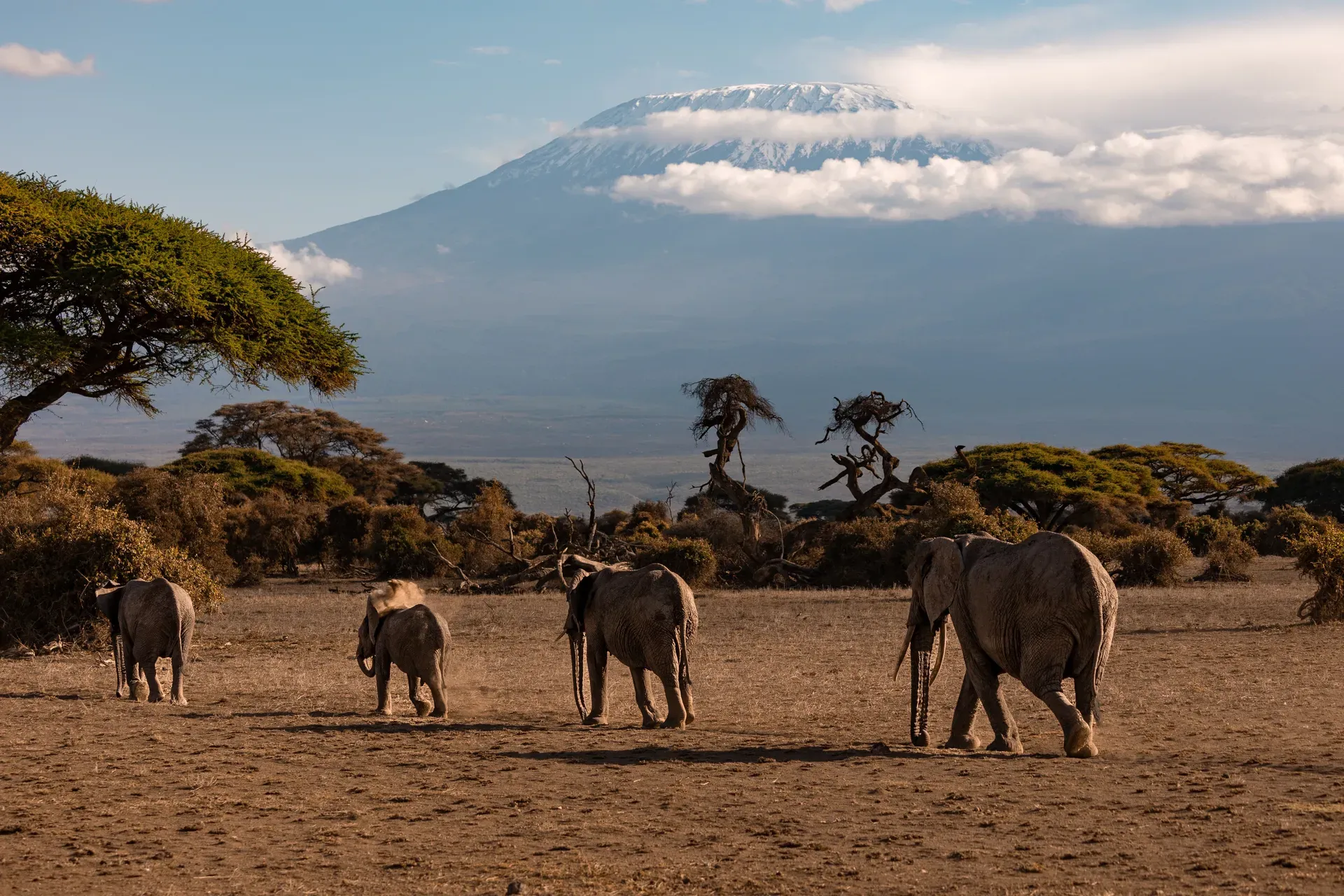
These 48-hour overnight safaris from Nairobi give you two days of game drives inside Amboseli, with lodge accommodation and most meals included. Expect close-up encounters with Amboseli's famous elephants, views of Mount Kilimanjaro, and optional Maasai village visits.
 Free Cancellation
 48-hour Amboseli safari from Nairobi with hotel pickup, all meals, park fees and overnight lodging included.
 Free Cancellation
 Private Amboseli safari from Nairobi with a driver-guide, as a day trip, overnight, or 2-night stay.
 Free Cancellation
 48-hour Amboseli trip with driver-guide, park entry, meals, lodging, and hotel or airport pickup.
 Free Cancellation
 48-hour trip from Nairobi to Amboseli with pop-up-roof safari vehicle, lodge stay, meals, and park fees.
 Free Cancellation
 48-hour private overnight safari from Nairobi to Amboseli with game drives and a Maasai village visit.
 Free Cancellation
 48-hour overnight Amboseli trip from Nairobi in a pop-top safari van, with all meals and hotel pickup.
 Free Cancellation
 48-hour private Amboseli safari from Nairobi with game drives, overnight stay, and a free Maasai village visit.
Read what travelers share about their experience visiting Amboseli National Park — from practical tips to personal highlights.
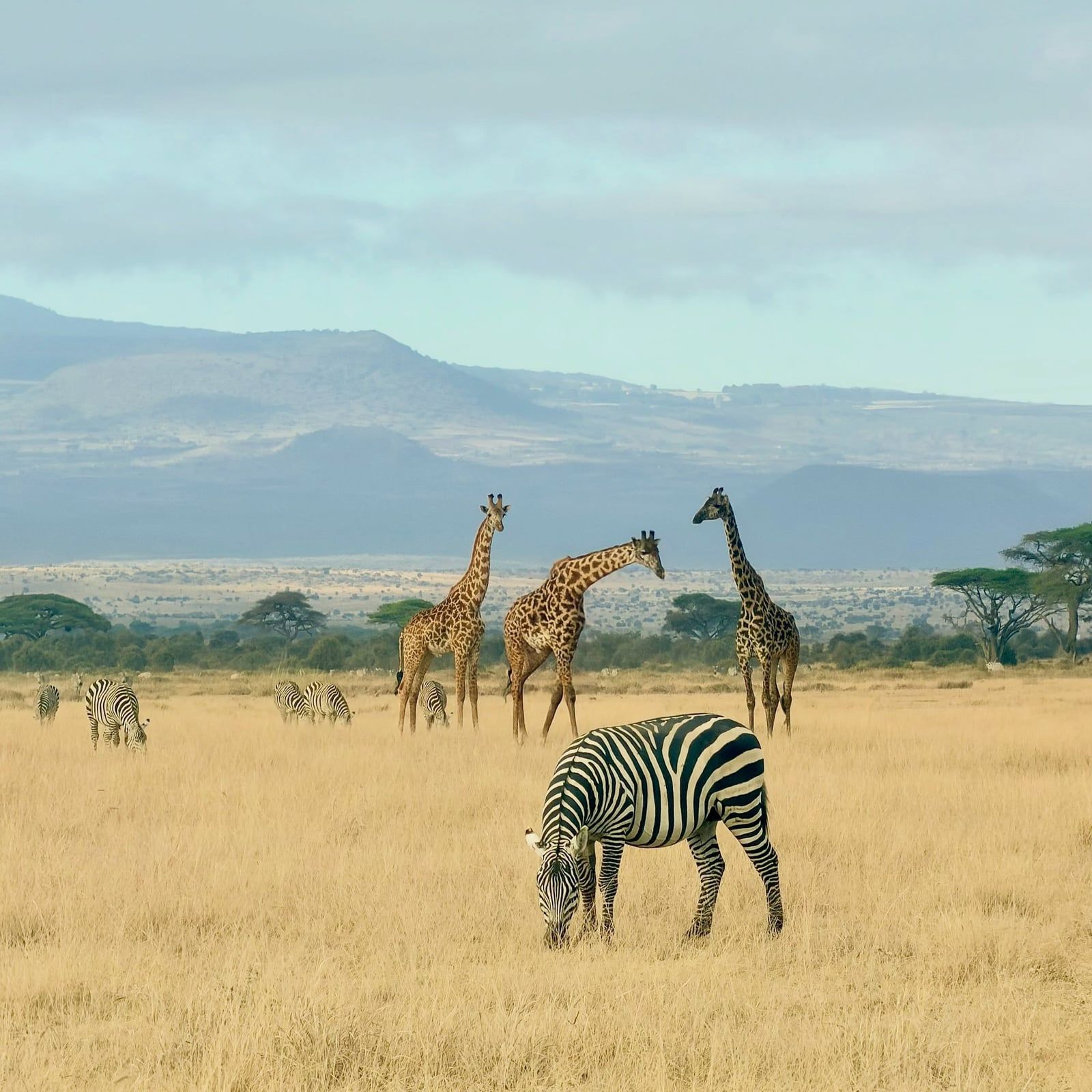
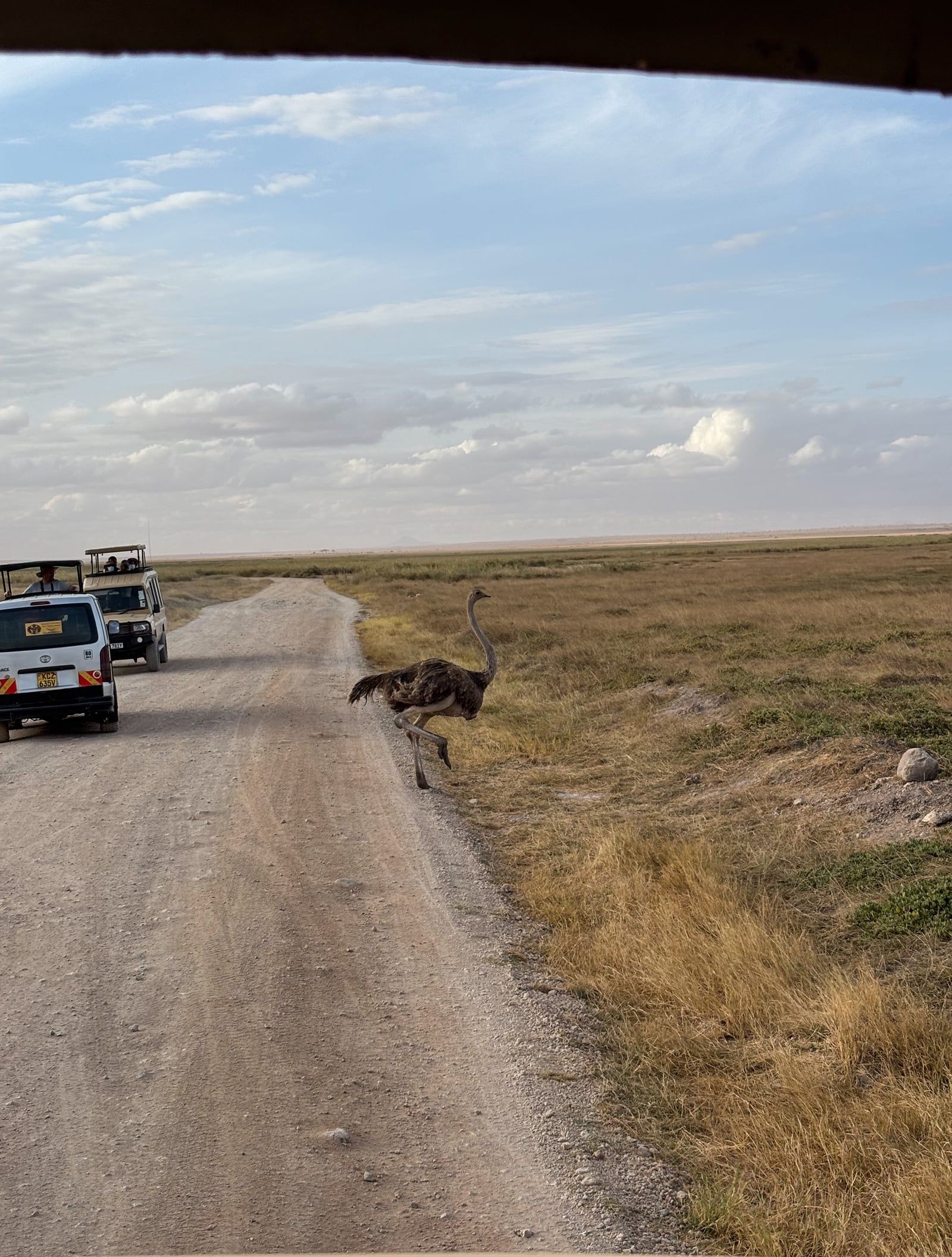
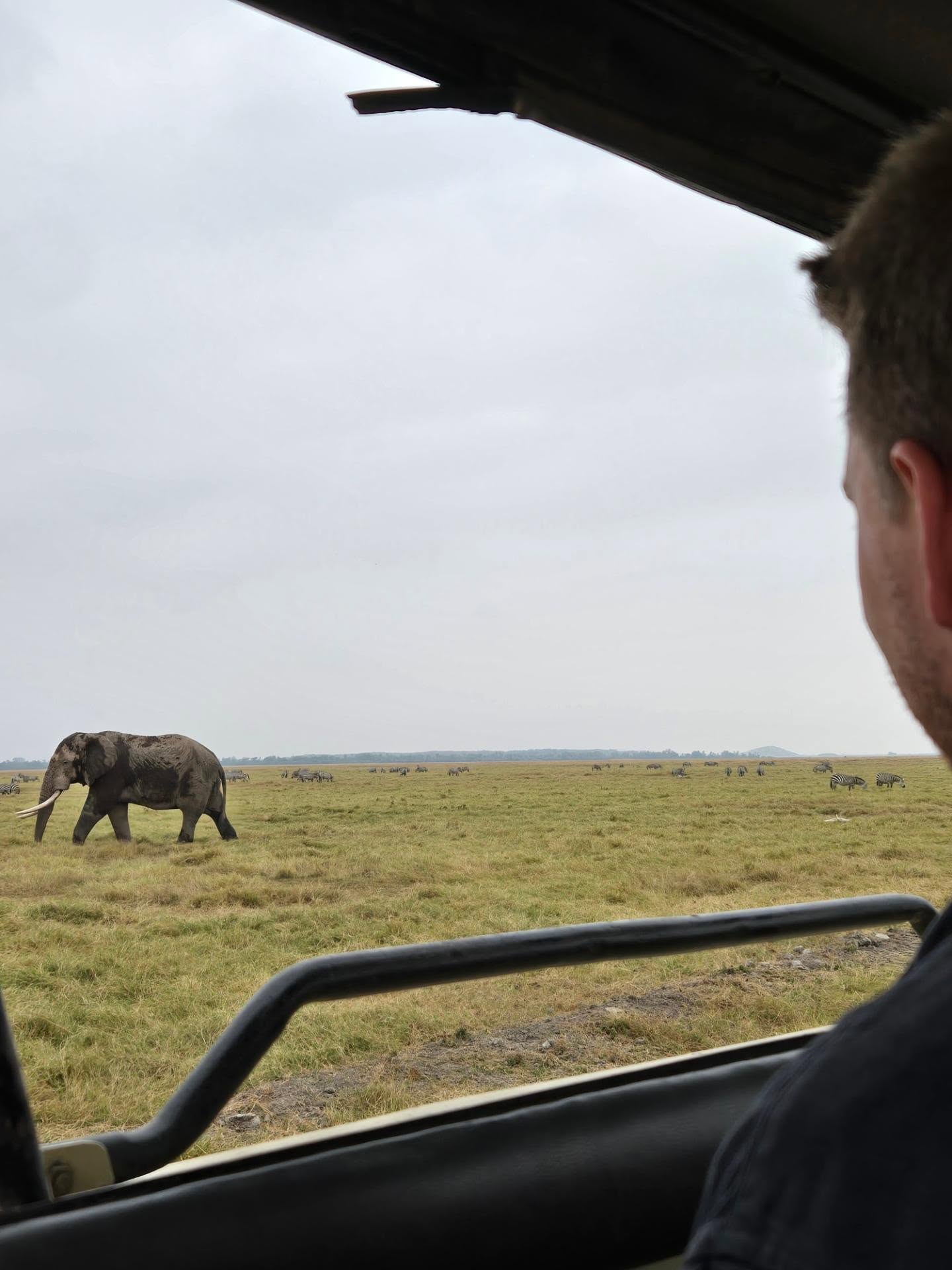
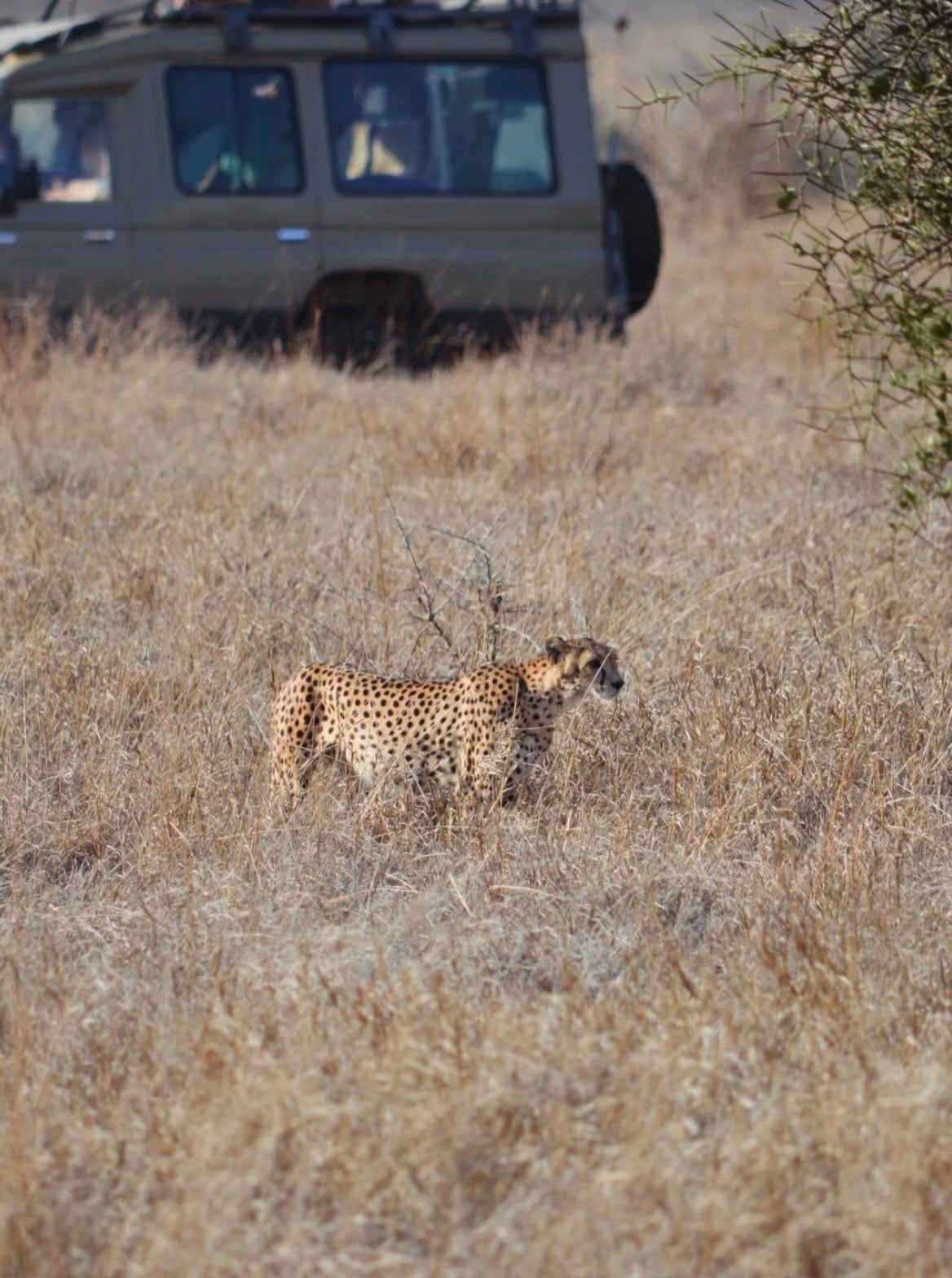
An overnight Amboseli tour from Nairobi packs a 4–5-hour drive each way, two game drives, and one night at a lodge or tented camp into 48 hours. You'll spend most of your wildlife time around the permanent swamps, where roughly 1,800 elephants — some of Africa's biggest tuskers — feed against the backdrop of Kilimanjaro. Book the one night only if you're short on time; two nights gives you a real shot at clear mountain views.
Amboseli is the only established safari park where you can realistically frame wildlife and the 5,895 m snow dome in one shot. The herds are famously relaxed around vehicles, and the Amboseli Elephant Research Project has followed about 2,000 individuals here since 1972. Come at dawn for the clearest mountain light.
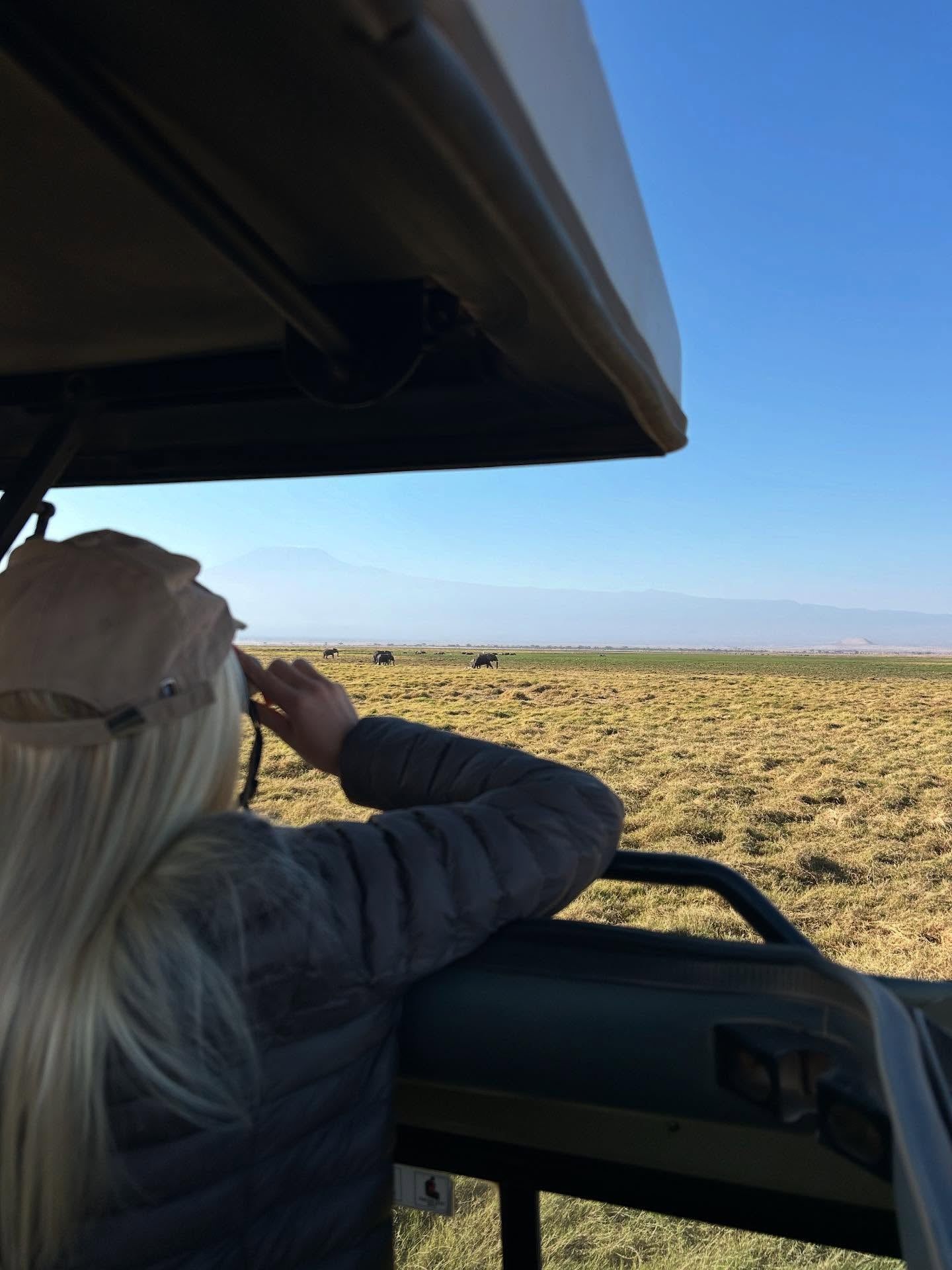
Most tours run safari vans or 4x4s with pop-up roofs, so you stand and shoot instead of peering through glass. Drives happen on arrival afternoon and the following morning, targeting the swamps where buffalo, hippo, and old bull elephants gather. Some packages add WiFi and air conditioning.
This rocky outcrop is one of the few designated spots where you may leave your vehicle. The short climb gives 360° views over Enkongo Narok Swamp toward Kilimanjaro, and the Ol Doinyo Orok Picnic Site sits at its base. Bring shoes you can scramble in.
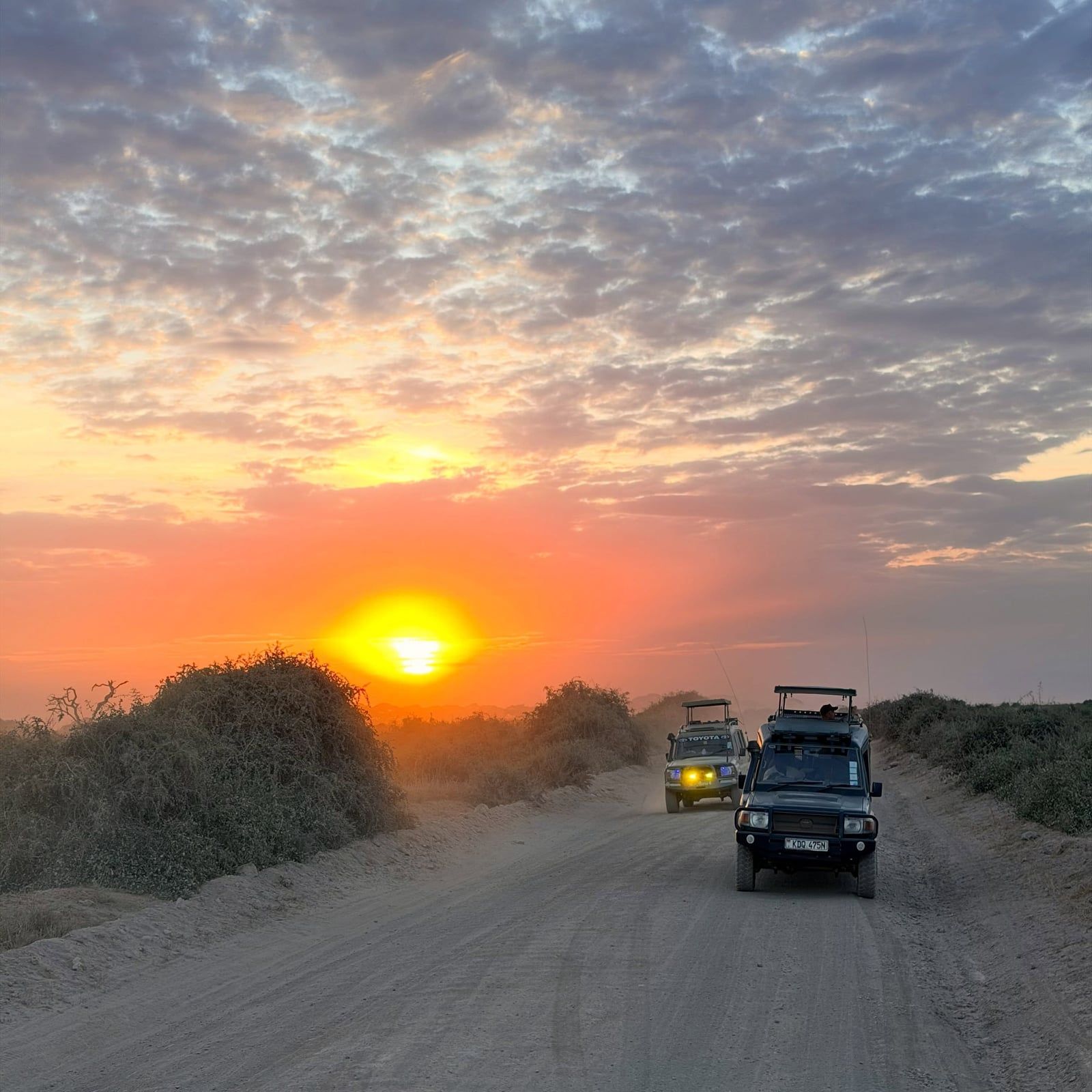
Tours bed you down at a lodge or tented camp inside or near the park, with dinner and breakfast usually included. AA Lodge or similar properties near the park are typical on mid-range trips. Inside-park camps mean dawn drives can start at 6 AM sharp without a gate crossing.
Some tours bundle a Maasai manyatta visit — traditional songs, dances, and handicrafts — at no extra cost or for a small fee. Amboseli sits in Maasai country, and the surrounding community conservancies protect the elephant corridors to Chyulu and Tsavo. Always ask before photographing people.
Over 400 bird species live here, including 47 raptors and globally threatened vultures, in one of Kenya's 60 Important Bird Areas. Pelicans, kingfishers, and hamerkop crowd the swamps, and seasonal flamingo flocks gather on the dried lake basin. Keen birders should consider a second night.
Prices on Amboseli overnight tours range from USD 150 to USD 655, and the sticker price alone won't tell you what's covered. Check whether park fees, meals, and accommodation are included before you compare.
Higher-priced tours (USD 541–655) typically bundle park entrance fees, all three meals, accommodation, and transport from Nairobi. Budget options from USD 150–198 often cover only transport, guide, and water, with entrance tickets bought separately — either via the KWSPay eCitizen portal in advance or at the gate. Factor in the USD 90 per adult non-resident fee when comparing.
Several tours run private vehicles with your own certified English-speaking guide — the sub-USD 200 options are mostly this format. Group or shared-departure tours sit in the USD 540–655 range but include more. Private trips offer wheelchair-accessible vehicles and flexible pacing; book those setups in advance.
Most overnight tours run a fixed 48 hours from Nairobi, with pickup around 5:30–6 AM to reach the gate by 10–11 AM. One operator offers day trip, one-night, or two-night versions of the same trip — pick the two-night if you want both sunrise and sunset drives without rushing. A single night is tight given the drive.
Amboseli tours don't sell out the way Mara crossings do, but June–October departures fill first, and flights from Wilson Airport (from about USD 160 one-way) need early booking. Guides work in English on most trips; a few offer French, German, Russian, Italian, or Spanish. Book ahead if you need a specific language.
All seven current operators offer a full refund if you cancel at least 24 hours before departure. That's generous for a safari — but it means last-minute weather bailouts are covered too. Note the park itself gives no refunds on gate fees, which is why pre-paid packages can be simpler.
Amboseli pairs naturally with Tsavo West, 75 km from Kimana Gate, on a combined ticket of USD 150 per non-resident adult versus USD 90 for Amboseli alone. Some longer itineraries cover both parks. Chyulu Hills and community conservancies like Kimana sit within an hour and permit night drives, which the national park does not.
Amboseli is often called Kenya's most wheelchair-accessible safari park because all game viewing is vehicle-based and the terrain is flat. Three of the listed tours advertise wheelchair-accessible transportation. Lodges with accessible rooms exist but must be booked ahead; Observation Hill itself involves an uneven climb.
Children under 5 enter the park free, and several tours offer infant seats or let small children ride on laps. All viewing happens from the vehicle, which keeps risk low around the famously calm elephants. Malaria precautions are advised for kids, and dusty tracks can bother young ones on the long drive.
Swipe to see more
| Budget private overnight (48h) | Flexible private safari (1–2 nights) | All-inclusive guided overnight (48h) | Guided group overnight (48h) | Overnight with Maasai village tour | |
|---|---|---|---|---|---|
| Duration | 48 hours, Nairobi return | Day trip, overnight, or 72 hours — you choose | 48 hours, hotel-lobby pickup in Nairobi | 48 hours, CBD hotel pickup | 48 hours, door-to-door from Nairobi |
| Best for | Travelers who don't mind paying park fees themselves to keep costs down | Families and photographers who want to set their own pace and length | First-time safari-goers who want everything pre-paid in one price | Visitors wanting guides in languages other than English (German, French, Russian, Italian, Spanish available) | Travelers who want cultural visits alongside the game drives at no added cost |
| Includes | Private vehicle, certified English-speaking guide, WiFi, water, breakfast (park fees, most meals, and lodge often extra) | Private transport, WiFi, air conditioning, pickup coordination (entrance tickets bought separately via portal or at gate) | Park entry, all three meals, accommodation at AA Lodge or similar, driver-guide, pop-up-roof safari vehicle | Park fees, lunch, dinner, breakfast, bottled water, accommodation, van with pop-up roof | Private vehicle, certified guide, WiFi, water, breakfast, Maasai village visit included |
| Price from | USD 150–178 | USD 198 | USD 541–560 | USD 630 | USD 150–178 |
Swipe to see more
Gates open at 6:00 AM and close at 6:00 PM daily, weekends and public holidays included. Overnight guests staying inside the park are exempt from the exit deadline. No entry is permitted after the published closing hour, and some operators report enforcement running to 6:30 PM — don't count on that grace.
Each daily ticket is valid for a single access not exceeding 24 hours, so a stay straddling two days within one 24-hour window needs just one ticket. Vehicle charges are billed separately per day.
Because the gates close at 6 PM, timing matters on overnight tours: arrive at the gate by 10–11 AM and you get lunch at camp plus a full afternoon drive. Arrive after 3 PM and you may lose the entire first afternoon. Dawn drives can start at 6 AM sharp only if your camp is inside the park.
By road from Nairobi: 204 km to Iremito Gate via Emali (Mombasa Highway, then the Emali–Loitokitok road), or 220 km via Namanga to Meshanani Gate. The drive takes 4–5 hours; a 5:30–6 AM departure gets you to the gate around 10–11 AM. A high-clearance 4x4 is strongly recommended, and the Namanga–Meshanani stretch is rough.
By air: Safarilink, AirKenya Express, FlexFlight, and Fly ALS fly morning departures (roughly 07:00–07:45) from Wilson Airport to the 1.2 km tarmac Kimana airstrip — 35–60 minutes in the air, from about USD 160 one-way (typically USD 180–320). A 7 AM flight puts you at camp by 8:30–9:30 AM.
From Tsavo West or the coast: 75 km between Kimana Gate and Tsavo West's Chyulu Gate, 1.5–2 hours on a connecting road. Some tour operators also pick up from Emali train station or the Tanzania border at Namanga for guests arriving from Arusha or Kilimanjaro.
Emali is the last place with full fuel, banks, and shops on the eastern route; Namanga serves the western one. There is nothing to buy inside the park.
June to October is the prime window: the long dry season thins vegetation, concentrates wildlife around the permanent swamps, and clears the air over Kilimanjaro — clearest in July–August, with July daytime highs around 23°C. Bring a fleece anyway; 6 AM drives are cold.
January–February is a shorter, hotter dry season (averaging 29°C) with excellent game viewing, fewer tourists, and better prices. It's a smart pick for a one-night trip on a budget.
Avoid March to May if you can. The long rains make tracks difficult, wildlife disperses to filled waterholes, and Kilimanjaro hides in cloud — April averages about 12 rain days. The November–December short rains (roughly 80 mm and 60 mm respectively) are less disruptive but still scatter animals; they suit green-season scenery and birding more than classic game viewing.
Kilimanjaro shows best at dawn and late afternoon, especially after rain — which is exactly when overnight tours schedule their drives.
Amboseli is often described as Kenya's most wheelchair-accessible safari park: game viewing is entirely vehicle-based and the terrain is flat. Several lodges market accessible rooms, and at least three Nairobi overnight tours advertise wheelchair-accessible transportation. Both the vehicle and the room must be booked in advance; accessible safari setups cost from about US$350/day per operators.
For seniors, the trip is manageable if the bumpy ride is tolerable — all viewing happens from the vehicle with minimal walking. The main hurdles are 6 AM starts and the 4–5-hour transfer; a 45-minute fly-in avoids the drive. KWS exempts persons with disabilities from conservation fees.
Families do well here. Children under 5 enter free, KWS rules (stay in the vehicle, doors closed, 20 m from animals) keep risk low, and several tours offer infant seats. Pack malaria precautions for kids and expect dusty, corrugated tracks.
The one limitation: Observation Hill involves an uneven climb, and there are no boardwalks anywhere in the park.
There is no fuel, ATM, bank, grocery shop, or stand-alone restaurant anywhere inside the park. Stock up at Emali (Iremito/Kimana routes) or Namanga (Meshanani route); Kimana village has a fuel station and small kiosks about 25 km from its gate.
Overnight tours stay at lodges or tented camps inside or near the park — AA Lodge or similar on mid-range trips. Inside-park camps get you dawn drives without a gate crossing and, with minimal light pollution, genuinely good stargazing. The Ol Doinyo Orok Picnic Site at the base of Observation Hill is the main rest stop.
Entry fees (effective 1 October 2025, 24-hour validity): non-residents USD 90 adult / USD 45 child; African citizens USD 50/25; East African citizens KES 1,500/750; Kenya residents KES 2,025/1,050. Payment is cashless via the KWSPay eCitizen portal — budget 15–30 minutes for gate check-in and vehicle registration.
Vehicle charges per day run from KES 600 (under 6 seats) to KES 5,000 (45+ seats). Vehicle recovery inside the park costs KES 10,500 if you get stuck.
Stay in your vehicle except at designated sites like Observation Hill, keep doors closed, and maintain at least 20 m from animals. Feeding wildlife is prohibited. The speed limit is 40 km/h, off-road driving is banned, and hooting and drunk driving are strictly prohibited — penalties are real.
Single-use plastics are banned in all KWS parks. Bring a reusable water bottle; most tours supply bottled water in the vehicle anyway.
No night game drives inside the national park — only in the adjacent community conservancies like Kimana. Recreational drones are also prohibited; authorized commercial or research use needs KCAA licensing plus KWS authorization and costs USD 300 per drone per day for non-residents.
Personal photography is free. Commercial filming needs a KWS permit (USD 200–500 weekly depending on crew size), and photo sessions like weddings cost USD 300 per group. Ask before photographing Maasai people — village visits typically carry a fee that some tours include.
Dress is casual; neutral colors (khaki, brown, green) are recommended so you don't disturb wildlife. Skip flip-flops on drives.
Published overnight tours run from USD 150 to USD 655 per person for the 48-hour trip. The budget end (USD 150–198) usually covers only transport, guide, and water, so add the USD 90 non-resident park fee and meals yourself. All-inclusive packages (USD 541–655) bundle park entry, all meals, and lodge accommodation.
Sometimes — always check the inclusions list before booking. Tours priced above USD 540 typically include the USD 90 adult non-resident entry fee, while the sub-USD 200 private tours usually exclude it. If excluded, you can pay via the cashless KWSPay eCitizen portal in advance or at the gate, which speeds up check-in.
It's doable but rushed. The drive from Nairobi takes 4–5 hours each way, so a 48-hour trip gives you an afternoon arrival drive and a morning departure drive — roughly one and a half game-drive windows. Two nights doubles your chances of clear Kilimanjaro views, since the mountain shows best at dawn and late afternoon. One operator on this page lets you choose day trip, one-night, or two-night versions.
Yes — all seven tours currently listed offer a full refund if you cancel at least 24 hours before departure. Park gate fees paid separately through KWSPay follow KWS rules rather than the operator's, so a pre-paid package is simpler if your dates might shift.
Probably, but not guaranteed — the 5,895 m peak spends much of the day under cloud. Your best odds are the dawn and late-afternoon drives, exactly when overnight tours head out, and views are clearest July–August. Observation Hill is the classic elevated vantage point over the swamps toward the mountain.
Two of the listed trips bundle a Maasai village tour at no extra cost — look for "Free Maasai Village Tour" in the title. Other tours can usually arrange a visit for a separate fee. Village visits typically include traditional songs, dances, and handicrafts; ask permission before photographing anyone.
Most sleep at a lodge or tented camp inside or just outside the park — mid-range trips commonly use AA Lodge or similar properties near the boundary. Inside-park camps let dawn drives start at 6 AM sharp without a gate crossing, which matters since gates close at 6 PM. Accommodation is included in the higher-priced packages.
Three of the seven listed tours advertise wheelchair-accessible transportation, and Amboseli itself is considered Kenya's most accessible safari park because viewing is entirely vehicle-based on flat terrain. Accessible lodge rooms exist but must be booked in advance. Note that Observation Hill, the park's main viewpoint, requires an uneven climb.
Yes, on several tours. Pickup policies cover Nairobi hotels, apartments, and the airport; one operator also collects from Emali train station and from the Namanga border crossing for guests arriving from Tanzania. Confirm your exact pickup point when booking, since drivers typically meet you at the lobby or reception.
Elephants are near-guaranteed — roughly 1,800 of them, including old big-tuskers that are famously relaxed around vehicles. Lions, cheetah, spotted hyena, buffalo, hippo, Maasai giraffe, zebra, and wildebeest are all regular, with 50–80 mammal species in total. Rhino is the only Big Five member missing. Over 400 bird species include 47 raptors.
Browse verified tours with free cancellation and instant confirmation.
Find Tours


This is a two-day, one-night trip out of Nairobi, run in a van with a pop-up roof for game viewing and photography. Park entrance fees, all three main meals (lunch, dinner, breakfast), bottled water, and accommodation in Amboseli are all in the price, so there's little to budget beyond tips and extras. Pickup covers hotels, apartments and residences anywhere within Nairobi, plus Emali train station. Flying in? Airport pickup is available in both Nairobi and Amboseli, and travelers coming overland from Tanzania can be met at the border. Guides work in English, French, German, Italian, and Russian. Cancel at least 24 hours before departure for a full refund.
For a full refund, cancel at least 24 hours before the scheduled departure time.
German, Russian, English, Italian, French, Spanish


A private safari vehicle and driver-guide pick you up (the driver calls ahead to coordinate pickup), and you choose how long you stay: a day trip out of Nairobi, one night, or two. The day trip suits a quick wildlife visit; the overnight and 2-night options add sunrise and sunset game drives at a slower pace. The vehicle has air conditioning, on-board WiFi, and a bottle of water per guest. The guide speaks English and covers animal behavior and Maasai culture during drives. Park entrance tickets are not included — you buy them through the portal or pay at the gate on arrival, so budget for that separately. Cancellation is free up to 24 hours before departure; inside that window, no refund.
For a full refund, cancel at least 24 hours before the scheduled departure time.
English


A 48-hour round trip with a driver-guide, starting with pickup from your hotel lobby, apartment, or the airport terminal or parking lot. Your guide wears a company t-shirt so you can spot him on arrival, and you'll get a free company t-shirt yourself before setting off. Park entry fees, accommodation, lunch, dinner, and breakfast are all covered in the price. That's the full two days of food and a night's lodging sorted — you won't be reaching for your wallet inside the park. Guides run the tour in English. Cancel at least 24 hours before departure for a full refund. Anything cut inside that window loses the booking cost, so decide early if the weather or your plans shift.
For a full refund, cancel at least 24 hours before the scheduled departure time.
English


This 48-hour tour runs from Nairobi to Amboseli and back, with a night at AA Lodge (or a similar lodge near the park). Pickup covers all hotels and residences in Nairobi — give your name at the lobby or reception and you're collected from there. Guides work in English, French, or German. Game drives are done in a safari vehicle with a pop-up roof, so you can stand and watch animals without leaving your seat. Amboseli's open plains make it one of the easier parks in Africa for viewing large elephant herds at close range, and the drives also pass through the dried bed of Lake Amboseli, sulphur-spring wetlands, savannah, and woodland — five habitats inside a compact area. Mount Kilimanjaro sits above the whole park on clear days. Included are Amboseli park entrance fees, transport, the lodge night, and lunch, dinner, and breakfast. A visit to the Maasai community living around the park is also part of the program. Anything beyond that list is at your own cost. Cancel at least 24 hours before departure for a full refund.
For a full refund, cancel at least 24 hours before the scheduled departure time.
German, English, French


This 48-hour trip runs door to door from Nairobi in a private, air-conditioned vehicle with on-board WiFi, a certified English-speaking guide, and bottled water throughout. You stay one night at a lodge or tented camp inside or near the park, with guided game drives across both days. A Maasai village visit is included at no extra charge. Pickup and drop-off are handled by your assigned driver-guide, who stays in contact with you before departure to sort out timing and location. Game drives target the park's elephant herds, which you'll often see with Mount Kilimanjaro behind them — the classic shot, best light in early morning and late afternoon. Lions and hippos are regular sightings too. Cancel at least 24 hours before departure for a full refund. The private-vehicle setup means your group sets the pace on game drives rather than following a fixed schedule.
For a full refund, cancel at least 24 hours before the scheduled departure time.
English


A 48-hour overnight run from Nairobi, built for travelers who can't spare more than two days. You ride out in a safari van with a pop-up roof, which is the right vehicle for this park — you stand, shoot photos, and get clear sightlines instead of peering through a window. All three main meals are covered: lunch, dinner, and breakfast, plus any other meals listed in the itinerary. Park entry fees and anything marked "other" in the exclusions are on you, so budget for the gate fee separately. Your guide speaks English. Pickup works from hotels, Airbnbs, private apartments, homes anywhere within Nairobi, and the airport. The driver carries a paper sign with the lead traveler's name — wait at reception and he'll ask for you. Cancel at least 24 hours before departure for a full refund; inside that window, you lose it.
For a full refund, cancel at least 24 hours before the scheduled departure time.
English


A 48-hour private trip from Nairobi: two days of game drives inside Amboseli, one overnight, and a Maasai village visit thrown in at no extra cost. You travel in your own vehicle with a certified English-speaking guide, bottled water, on-board WiFi, and air conditioning. Breakfast is covered too. Your driver stays in contact with you ahead of departure to sort out pickup, and hotel pickup and drop-off in Nairobi are both included. Other meals beyond breakfast aren't specified in the listing, so budget for them separately. Cancel at least 24 hours before departure for a full refund.
For a full refund, cancel at least 24 hours before the scheduled departure time.
English