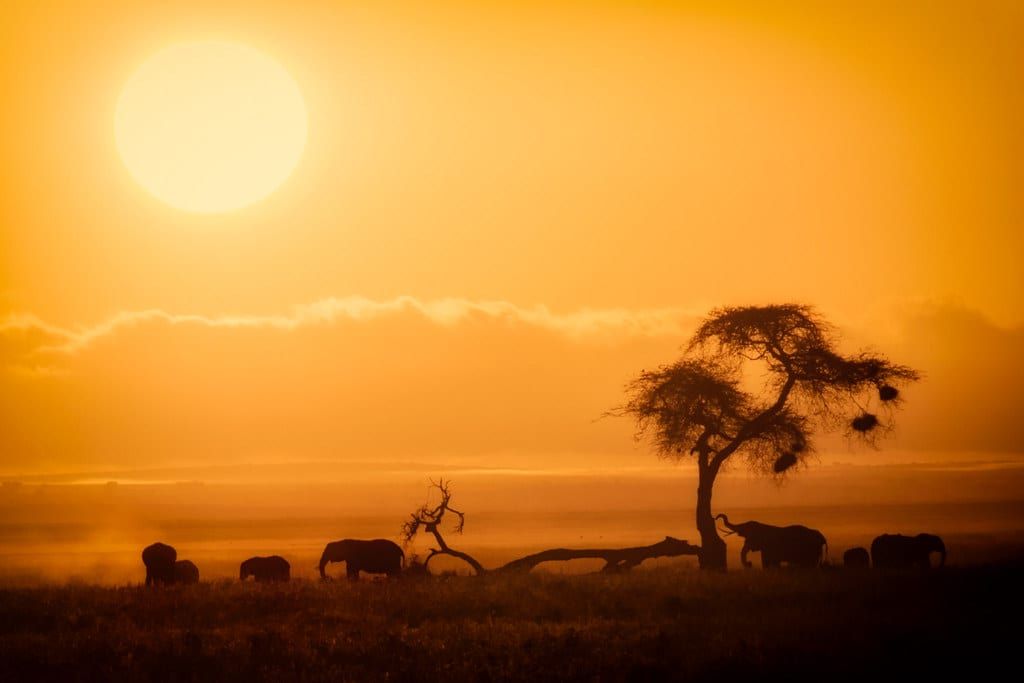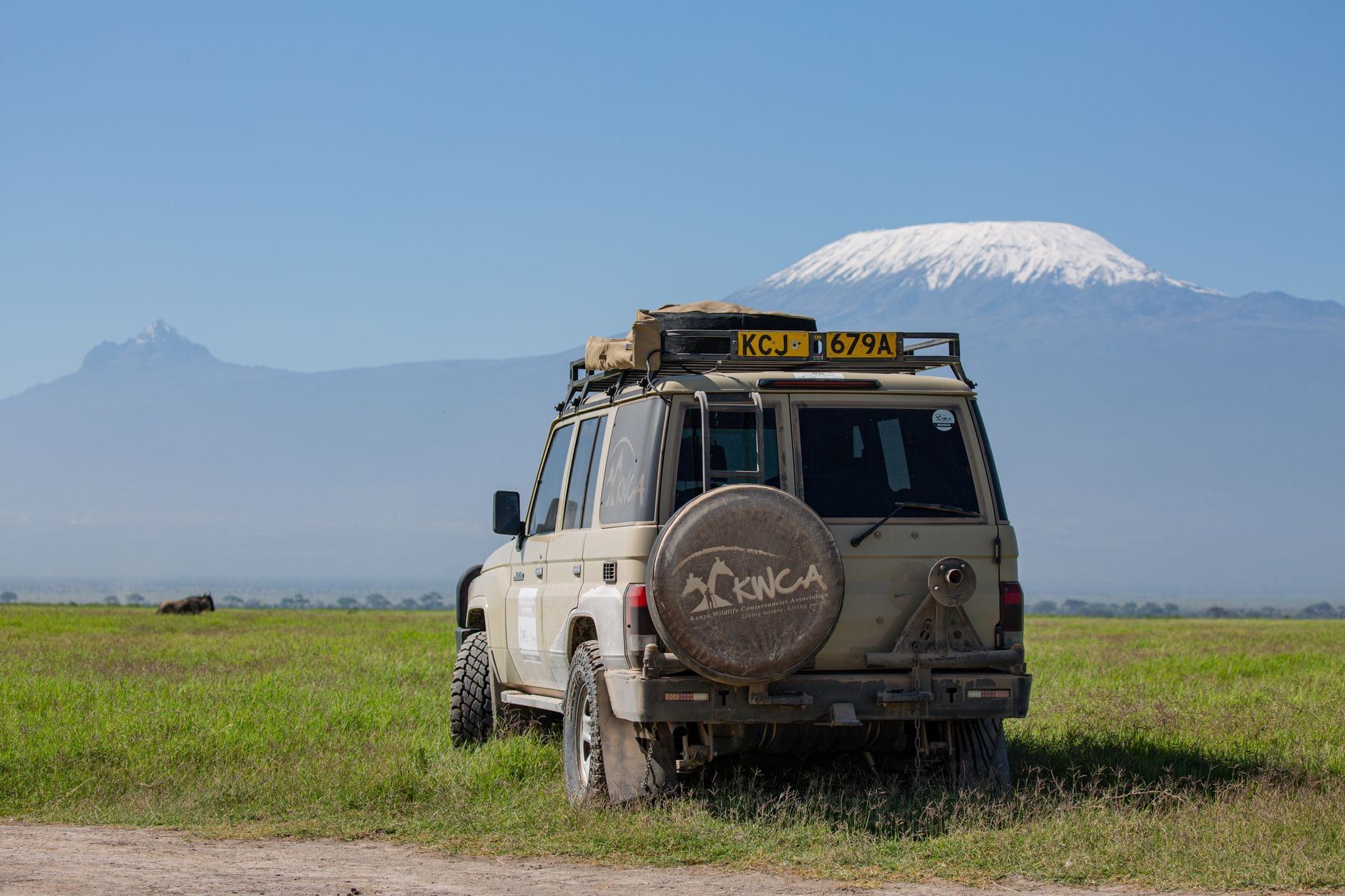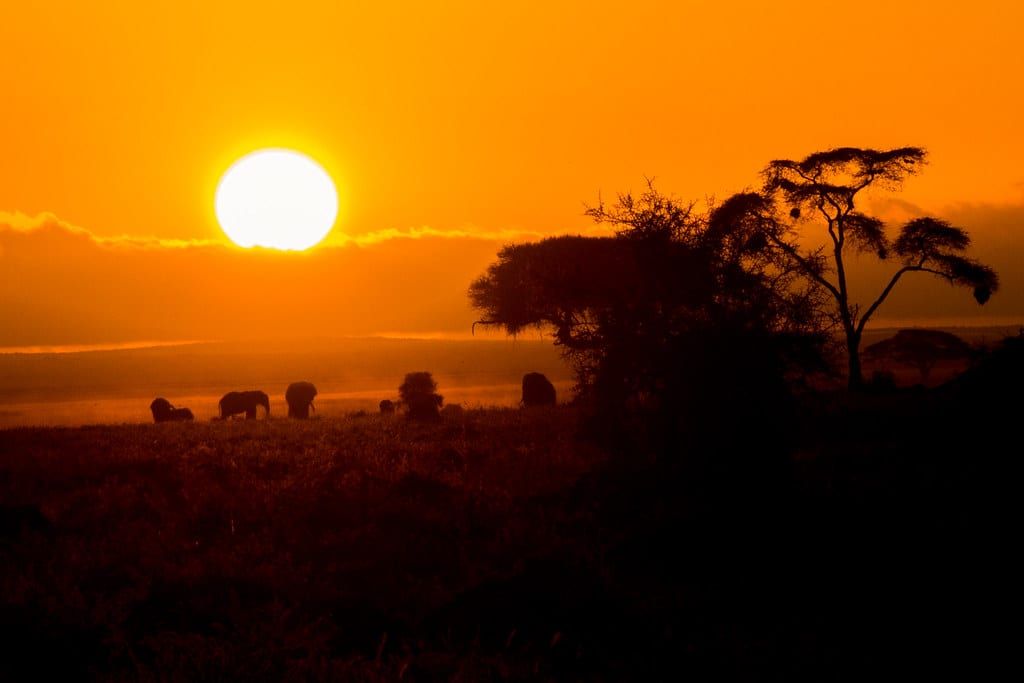
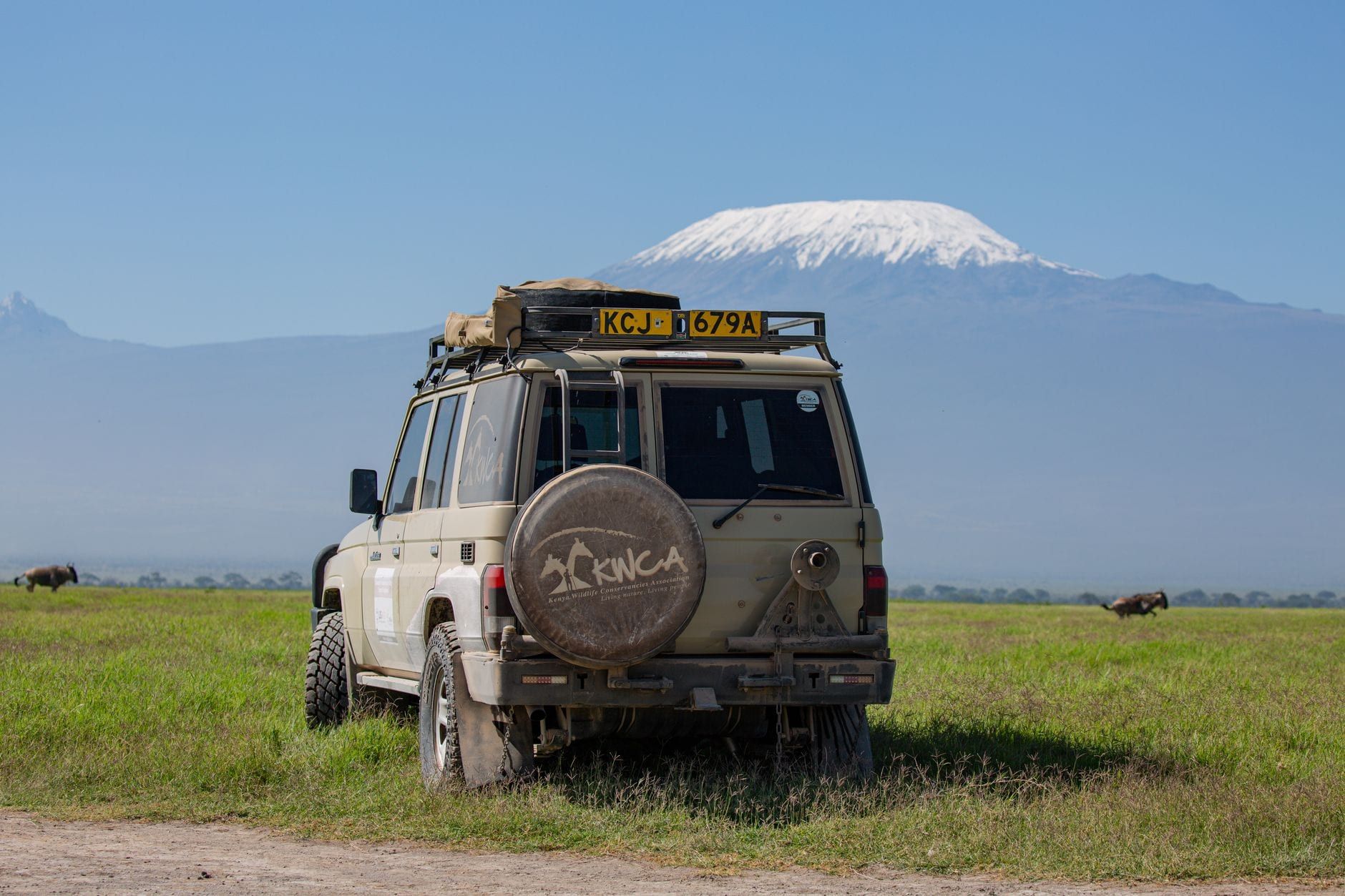
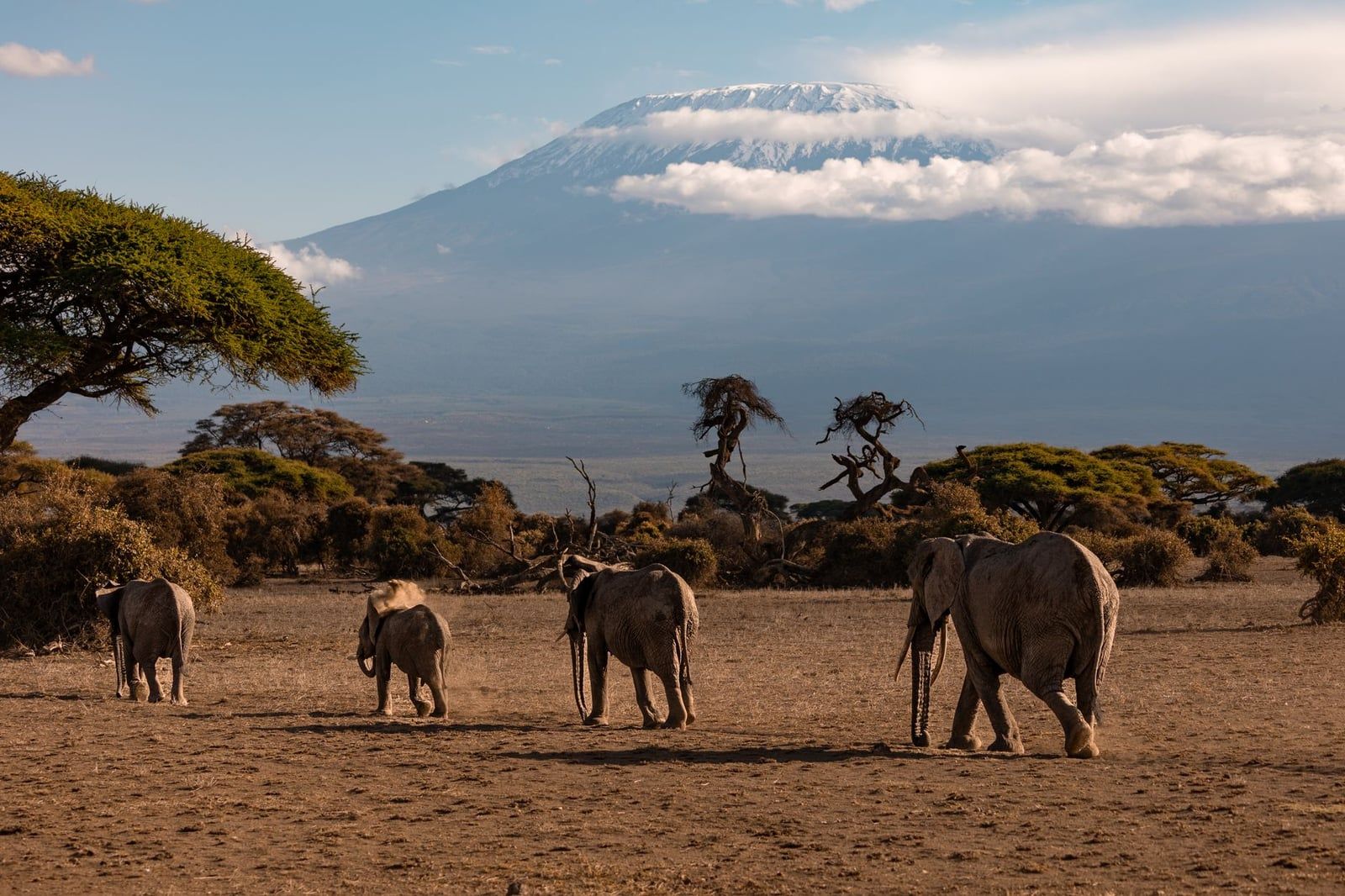
Amboseli delivers the safari image most people carry in their heads before they ever book a flight: big-tusked elephant herds crossing flat, dusty plains with the snow dome of Mount Kilimanjaro behind them. It is the only established park where you stand a real chance of framing wildlife and Africa's highest mountain in one shot, and the park is compact, close to Nairobi, and easy to plan independently or through an operator. This guide covers what you'll actually see, what it costs, when to go, how to get there, and how many days to allow.
Amboseli National Park at a Glance
Amboseli National Park covers 392 km² (151 sq mi) of flat country at the northern foot of Kilimanjaro, about 240 km southeast of Nairobi — a 4–5 hour drive or under an hour by light aircraft. It was gazetted as a national park on 1 November 1974 and declared a UNESCO Man and Biosphere reserve in 1991. The name comes from the Maa word for "salty dust", and that's exactly what the basin is: grey volcanic plains, a dried lakebed, and acacia woodland, cut through by permanent swamps fed by water filtering down from Kilimanjaro underground. Those swamps are why the wildlife is here.
The park suits first-time safari-goers better than almost anywhere in Kenya. It's small enough to cover properly in two or three days, the open terrain makes animals easy to spot (children love it for exactly this reason), and the elephants — the park's roughly 1,800 animals have been studied continuously since 1972 — are famously relaxed around vehicles. Photographers get the mountain backdrop; birders get over 400 species. For a deeper look at what lives here, see our guide to Amboseli's animals.
Be clear-eyed about the trade-offs. There are no rhinos, and leopards are very rarely seen — you'll get four of the Big Five at best. Dry-season dust can hang in the air and coat your gear. And because the park is only a morning's drive from Nairobi, July–October and December–March bring real crowds, especially on Kenyan weekends and school holidays.
Wildlife on an Amboseli Safari
Elephants are the headline, and they deliver. Amboseli's herds move between the central swamps and the plains in family groups led by matriarchs, and because the park has never suffered serious commercial poaching, it still holds genuinely old, big-tusked bulls. You'll often watch them wading shoulder-deep in the marsh at close range — among the best elephant viewing in Africa.
The research legacy explains why your guide might name individual elephants. The Amboseli Elephant Research Project, founded by Dr Cynthia Moss in 1972, is the world's longest-running elephant study, following 53 families and about 2,000 known individuals. Its most famous subject, the matriarch Echo, was tracked for nearly four decades until her death in 2009 at around 60.
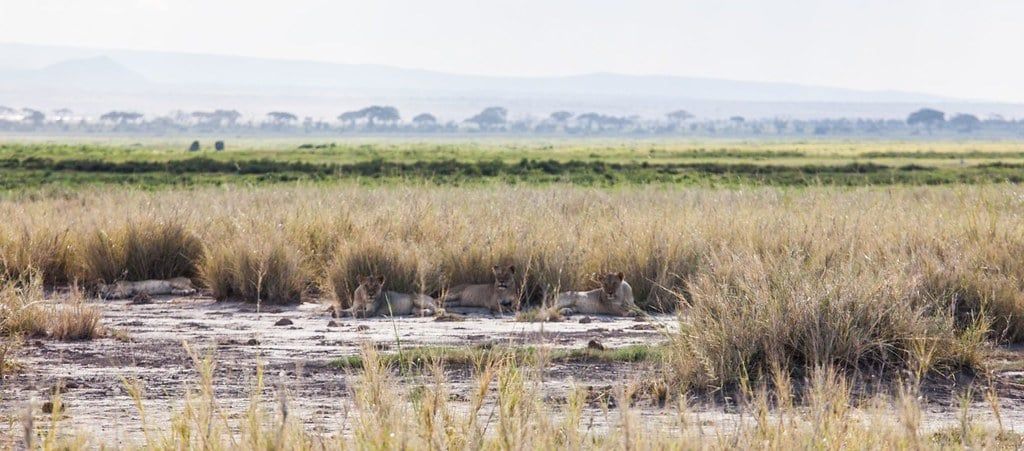
On the Big Five question: lions are quite common though less confiding than in the Masai Mara, cheetah and spotted hyena are regularly seen, and buffalo crowd the swamp reeds alongside hippo. Leopard sightings are rare enough to count as luck. Rhinos are absent — Lake Nakuru or Lewa are the places to see them. Plains game is constant: wildebeest, Grant's zebra, Thomson's and Grant's gazelle, impala, and Maasai giraffe nibbling the acacia canopy. The bat-eared fox, popping out of its burrow at dusk, is a prized sighting most visitors miss.
Birders get more than a consolation prize. Amboseli is one of Kenya's 60 Important Bird Areas, with over 400 species including 47 raptors — among them globally threatened White-backed, Lappet-faced and Rüppell's vultures. Around the Enkongo Narok and Ol Okenya swamps you can pick out 50 or more water-associated species in a single visit: pelicans, kingfishers, herons, hamerkop, and large seasonal flamingo flocks on the dry lake basin. Palearctic migrants roughly October–January push the list higher.
The Amboseli Safari Experience
A day on safari runs to a rhythm set by light and temperature. Early-morning drives, roughly 6:00–9:00, catch predators active and the mountain at its clearest; afternoon drives from about 4:00 to the 6:00 PM gate close bring golden light and elephants returning to water. The 10 AM–3 PM stretch is the least productive time in the park — that's when lodges serve lunch and guests lounge by the pool. Gates open at 6:00 AM and close at 6:00 PM sharp, unless you're sleeping inside the park.
Observation Hill
Observation Hill is the only place inside Amboseli where you may leave your vehicle. A short climb up the pyramid-shaped volcanic outcrop delivers 360° views over the Enkongo Narok Swamp and the plains to Kilimanjaro — the classic elevated vantage for photographers. The Ol Doinyo Orok picnic site at its base makes it a natural midday stop when the drives pause.
Beyond the game drive
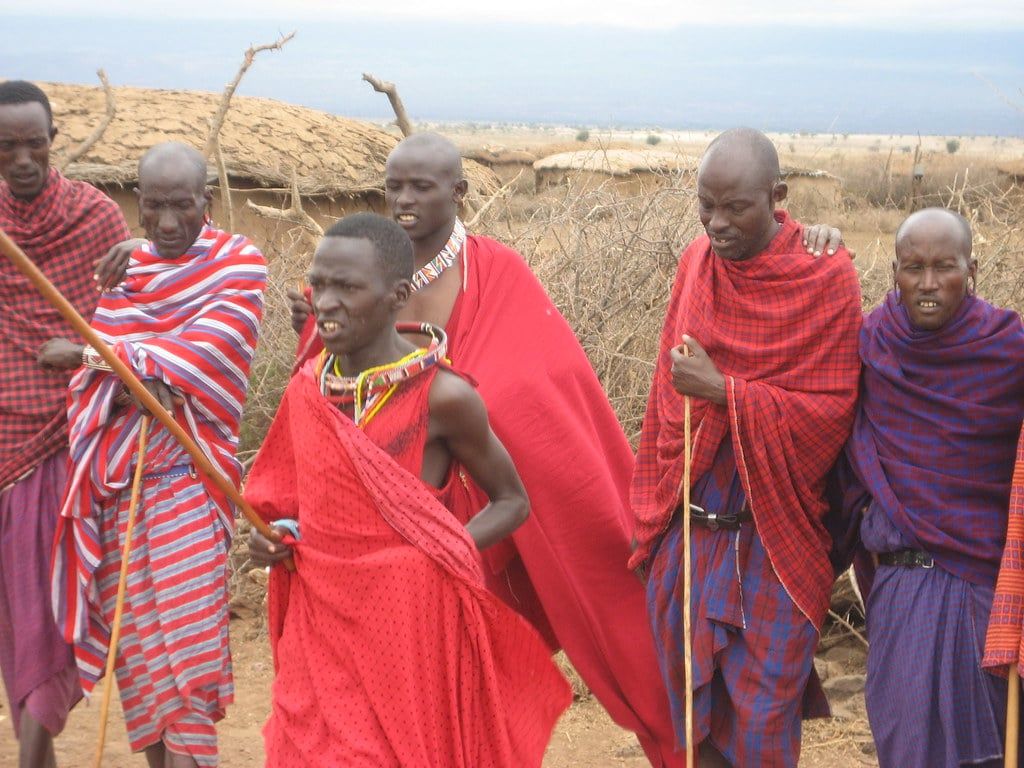
Sunrise hot-air balloon flights operate over the plains and elephant herds and are popular with photographers; book ahead through your camp. Visits to Maasai manyattas (traditional homesteads) nearby showcase the pastoral culture that surrounds the park, usually with songs, dances and handicrafts — expect a village fee, and always ask before photographing people. Birders should work the Sinet Delta, which also produces the park's signature giraffe-under-acacia compositions. One limit to know: night game drives are not permitted inside the national park — they're offered in the adjacent community conservancies.
Photography pointers for this park
Amboseli punishes generic camera advice, so plan for its specifics. Dawn and the 30–60 minutes before sunset give the light that makes Kilimanjaro shots work. Carry a 200–400mm zoom for wildlife and something wide for the mountain-backdrop compositions. Dust is the enemy of sensors and lenses in the dry season — change glass inside the vehicle, and keep a blower and sealable bag in your kit. Then bring patience: waiting at a swamp crossing for a herd to cross the water is how the best frames happen.
Will You See Mount Kilimanjaro?
Probably, but not on demand. Amboseli sits at the northern foot of the 5,895 m mountain — the world's tallest free-standing peak — yet the summit is swathed in cloud for much of the day. Your best window is dawn, before convection builds; late afternoon is second best, which is another reason never to skip the early drive. Views are often clearest July–August, and the mountain frequently emerges after rain when the air has been washed of dust.
Here's the paradox worth planning around: the dry season concentrates wildlife at the swamps but fills the sky with dust, while the November–May green season disperses animals yet delivers the crispest mountain views. Even professional photographers wait days for the perfect frame. Give yourself two or three dawn drives and the odds swing your way.
Best Time for an Amboseli Safari
June to October is the prime window: the long dry season thins vegetation, concentrates game around the permanent swamps, and gives the clearest mountain views (July daytime highs average around 23°C, and dawn drives are cold enough for a fleece). It's also the busiest and priciest period. January–February is a shorter, hotter dry season — around 29°C, dustier, with excellent game viewing, fewer tourists and better rates. November–December brings short, heavy afternoon showers that green the scenery and usher in migrant birds, though animals disperse and cloud builds. March–May is the one stretch to avoid: April is the wettest month, and the volcanic soil turns to mud that makes many interior tracks impassable. Rainfall averages only about 340 mm a year, but nearly all of it matters. Our month-by-month guide to visiting Amboseli goes deeper on weather.
| Season | Wildlife | Kilimanjaro | Crowds & rates |
|---|---|---|---|
| Jun–Oct (long dry) | Excellent — game at the swamps | Clearest July–August | Busiest, highest rates |
| Jan–Feb (short dry) | Excellent, hotter and dustier | Good at dawn | Quieter, better prices |
| Nov–Dec (short rains) | Dispersed; green scenery | Often clear after rain | Low rates, good birding |
| Mar–May (long rains) | Dispersed; tracks may fail | Often cloud-shrouded | Quietest; some camps close |
Getting to Amboseli and Fitting It Into a Kenya Trip
Two road routes connect Nairobi to the park: 204 km to Iremito Gate via Emali on the Mombasa Highway, or 220 km via Namanga to Meshanani Gate — count on 4–5 hours either way, and a 4x4 with high clearance for the final unpaved stretches (the Namanga–Meshanani road is rough). Stock up at Emali or Namanga; there is no fuel, ATM or shop inside the park. Coming from Mombasa or the coast, the link runs through Tsavo West to Kimana Gate, 75 km and 1.5–2 hours from Tsavo West's Chyulu Gate. Full route details are in our directions guide to Amboseli.
Flying is the easy option after a long-haul arrival. Safarilink, AirKenya, FlexFlight and Fly ALS run morning light-aircraft departures from Nairobi's Wilson Airport, reaching the park's airstrip in 35–60 minutes from about US$160 one-way (typically US$180–320). A 7 AM flight puts you at camp by 8:30–9:30 AM with a full afternoon drive ahead — a real advantage on short trips. Most Amboseli tours from Nairobi run as road safaris with a driver-guide in a 4x4, which is what we'd suggest for first-timers.
Amboseli or the Masai Mara?
Pick Amboseli for elephants, Kilimanjaro scenery and reliable game in a compact park; pick the Masai Mara for big cats, the Great Migration (roughly July–October) and sheer predator density. Amboseli's lions are common but warier than the Mara's famous prides. If your trip allows both, the classic formula is two nights in Amboseli and three in the Mara — the road transfer between them takes about 8 hours, usually routed back through Nairobi, or you can fly via Wilson. Amboseli also pairs naturally with Tsavo West: a combined ticket costs US$150 per non-resident adult versus US$90 for Amboseli alone, and adds volcanic scenery plus Tsavo's black rhinos. Compare itineraries on our Amboseli safari tours page. One local note: Nairobi's proximity means Kenyan weekend and holiday traffic — Easter and Christmas are the worst; time your departure around it.
What an Amboseli Safari Costs
Kenya Wildlife Service classifies Amboseli as a premium park, and its fees rose on 1 October 2025: non-residents now pay US$90 per adult and US$45 per child or student per day. A single entry is valid for 24 hours — so a 2-night stay means two fee days, not three, which materially changes the budget. Payment is cashless via the KWSPay eCitizen portal (plan 15–30 minutes at the gate), and vehicle fees run from KES 600 per day for vehicles under 6 seats, usually bundled into a package. Current figures are on our Amboseli hours and fees page.
| Category | Adult | Child/student |
|---|---|---|
| Non-resident | US$90 | US$45 |
| African citizen (non-EAC) | US$50 | US$25 |
| East African citizen | KES 1,500 | KES 750 |
| Kenya resident | KES 2,025 | KES 1,050 |
| Vehicle (under 6 seats) | KES 600/day | KES 1,500 (6–12 seats) |
Packages cluster in three tiers per person per day: budget at roughly US$150–250 (group-joining, shared 4x4, basic camps — a 3-day budget trip runs about US$350–500 all-in), mid-range at US$250–500 for comfortable lodges and smaller groups, and luxury from US$600–1,500-plus for premium camps, a private vehicle and full board. Season moves the price most, followed by accommodation level, private versus shared vehicle, and road versus fly-in. Worked example: a 2-night mid-range safari costs two entry days (2 × US$90 = US$180) plus roughly US$350–450 per day, landing around US$900–1,100 per person excluding international flights. Add tips, drinks, insurance and a balloon upgrade (quoted separately by camps) on top.
Where to Stay in Amboseli
Staying inside the park buys position: dawn access to the swamps before the gate crowds arrive, and Amboseli's minimal light pollution makes the stargazing from inside-park camps a bonus. Established options include Ol Tukai Lodge, set among fever trees at the swamp's edge, Kibo Safari Camp and Tortilis Camp. The trade-off is price — inside-park lodging runs higher.
Outside the park, in the community conservancies and group ranches east around Kimana, camps such as Porini Amboseli and Satao Elerai are often cheaper and quieter — and they can offer what the national park forbids: night drives and guided bush walks, with far fewer vehicles around each sighting. Staying on a conservancy also supports the Maasai-run wildlife corridors linking Amboseli to Chyulu Hills and Tsavo. Budget travellers are covered too: public campsites inside the park cost US$30 per non-resident adult per night on top of entry fees, and simple lodges serve group-joining trips. Whichever tier you pick, book June–October accommodation several months ahead. Our Amboseli accommodation guide lists the shortlist by budget.
How Many Days Do You Need? (Plus a 3-Day Plan)
Two days covers the highlights — Amboseli is compact and the wildlife is predictable. Three days and two nights is the sweet spot most visitors choose: all the habitats, both daily drive windows, and a cultural visit, without rushing the 4–5-hour transfer. Four days suits birders, photographers and elephant enthusiasts; a day trip from Nairobi is possible but leaves little productive wildlife time given the drive.
Day 1: Nairobi to the swamps
Leave Nairobi by 5:30–6 AM to beat the worst traffic, and you'll reach the gate late morning with time for lunch at camp. The afternoon drive works the swamps — Enkongo Narok especially — until the 6 PM close. Arrive at the gate by early afternoon; a late arrival can wipe out the whole first game-drive window.
Day 2: sunrise drive and Observation Hill
Start at 6 AM sharp for your best Kilimanjaro odds, then climb Observation Hill once the light is up. The rest of the day runs full swamp and plains circuits, with an optional Maasai village visit before dusk. If you only have one full day in Amboseli, this is the template.
Day 3: final dawn drive
One more early drive — different habitat if you can manage it, the Sinet Delta or the dried lake basin — then breakfast and the road back to Nairobi. Ambitious itineraries push on instead toward the Masai Mara or Tsavo West, turning Amboseli into the first leg of a longer circuit.
One fee wrinkle worth exploiting: because entry is valid 24 hours, a well-timed arrival and departure can trim a paid day off a 3-day trip. Arrive mid-afternoon, and your first ticket can cover day two's morning drive. Ask your operator how they schedule the entries — some bundle fees into the package, others pass them through at cost.
Practical Tips: Entry, Packing and On-the-Ground Etiquette
Paperwork first. Kenya no longer issues tourist visas for most nationalities — apply online for an Electronic Travel Authorisation at etakenya.go.ke before departure, with a passport valid at least six months. A yellow fever certificate is required only if you're arriving from or transiting a risk country. Malaria is present here: take prophylaxis as your doctor advises, use repellent from dusk, and carry comprehensive insurance including air evacuation.
Money and packing are straightforward. USD is widely accepted at camps; carry Kenyan shillings for small purchases and tips. Pack neutral-coloured clothing, a fleece for cold 6 AM drives (July dawns are genuinely chilly), sun protection, binoculars and dust protection for camera gear — no flip-flops on drives. On the ground: stay in your vehicle except at designated sites, keep 20 m from animals, never feed wildlife, and keep to the 40 km/h speed limit; vehicle recovery inside the park costs KES 10,500 if you get stuck. Most camps are unfenced, so expect an escort after dark. Ask your operator about current tipping norms — roughly US$10–20 per guest per day for a driver-guide is the common starting point, but norms shift and your operator will know.
Frequently asked questions
Is an Amboseli National Park safari worth it?
Yes, if elephants, Kilimanjaro scenery and an easy first safari are your priorities. The park is compact (392 km²), so you spend your time watching animals rather than driving to them. It's best value combined with the Masai Mara, which adds the big cats and migration that Amboseli lacks.
How many days do you need in Amboseli?
Two days covers the highlights; three days and two nights is the comfortable sweet spot, giving you all the habitats, both morning and afternoon drives and a Maasai village visit. Birders and photographers may want four.
Can you see the Big Five in Amboseli?
Four of five: elephant, buffalo, lion and — very rarely — leopard. Rhinos are absent; see them at Lake Nakuru or Lewa instead, or pair Amboseli with Tsavo West's black-rhino sanctuary.
What is the best time for an Amboseli safari?
June to October is best overall — animals concentrate at the permanent swamps and vegetation is thin. January–February is a good second window with fewer crowds. Birding peaks roughly October–January with migrants. Avoid March–May, when the long rains turn tracks to mud.
How much does an Amboseli safari cost?
Entry is US$90 per non-resident adult per day (US$45 per child), valid 24 hours. Packages run roughly US$150–250 budget, US$250–500 mid-range and US$600–1,500+ luxury per person per day. A 2-night mid-range trip lands around US$900–1,100 per person, excluding international flights.
How do you get to Amboseli from Nairobi?
By road it's 204–220 km depending on the route — 4–5 hours via Emali (Iremito Gate) or Namanga (Meshanani Gate) in a 4x4. By air, Safarilink, AirKenya and others fly the 35–60-minute hop from Wilson Airport from about US$160 one-way.
Will I actually see Mount Kilimanjaro from Amboseli?
Most visitors do, but the 5,895 m summit is usually cloud-capped. Your best odds are at dawn and late afternoon, with the clearest views in July–August and after rain. Give yourself two or three dawn drives.
Do I need a visa or eTA for Kenya?
Kenya uses an online Electronic Travel Authorisation (eTA) instead of visas for most visitors — apply at etakenya.go.ke before departure. A yellow fever certificate is only needed if you're arriving from an endemic country.