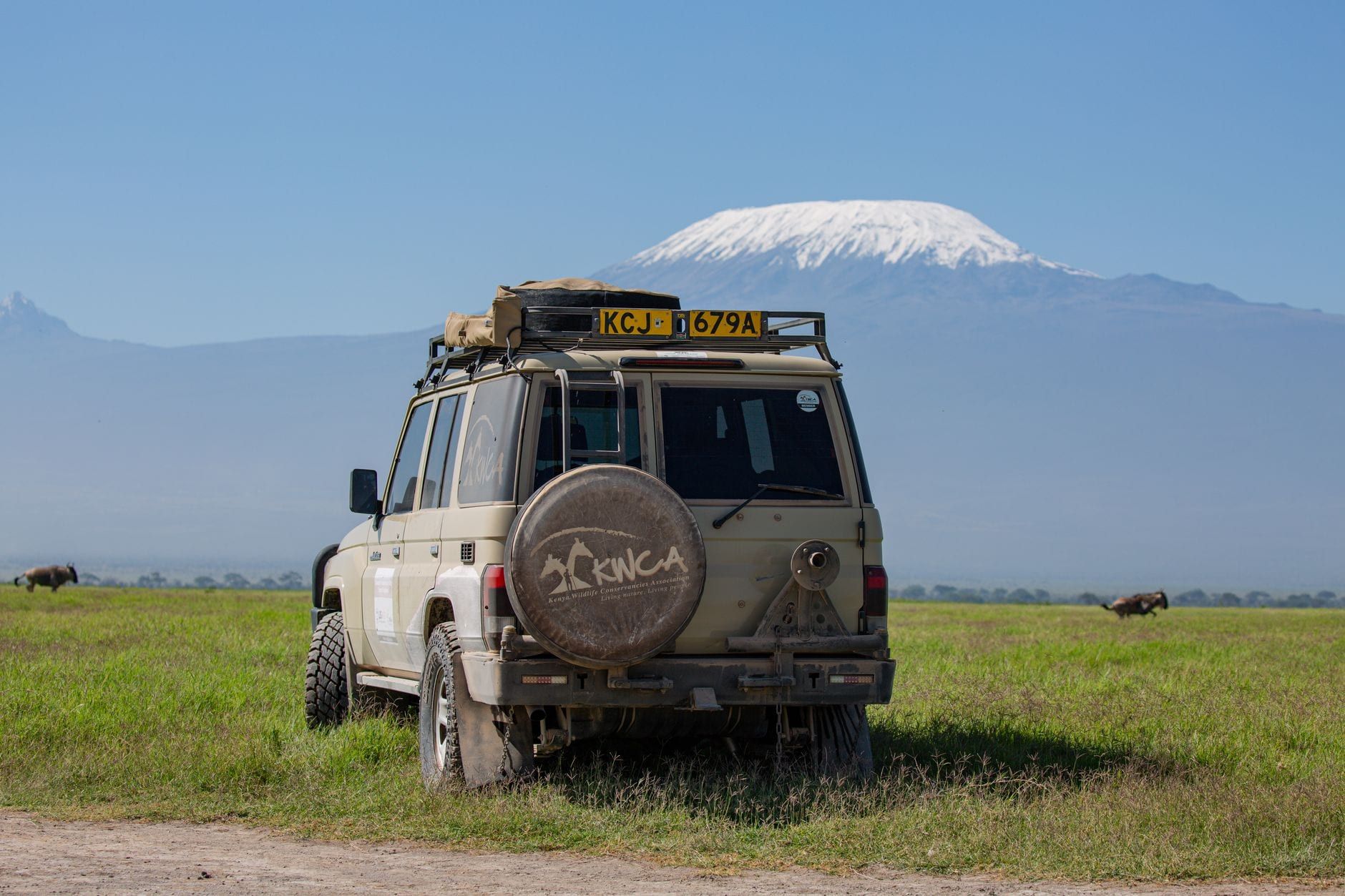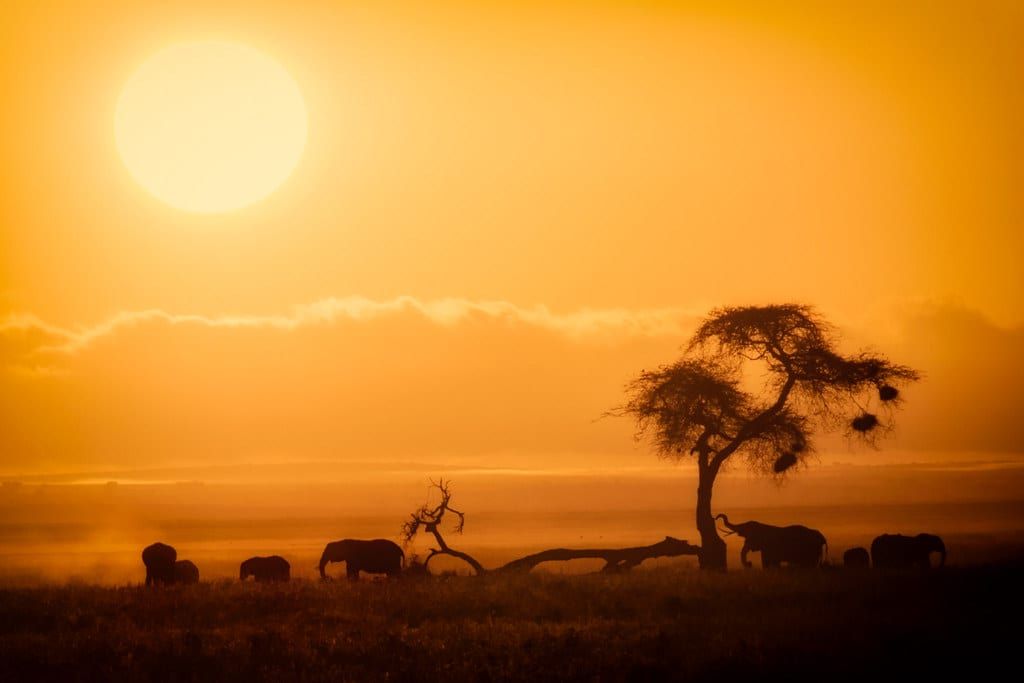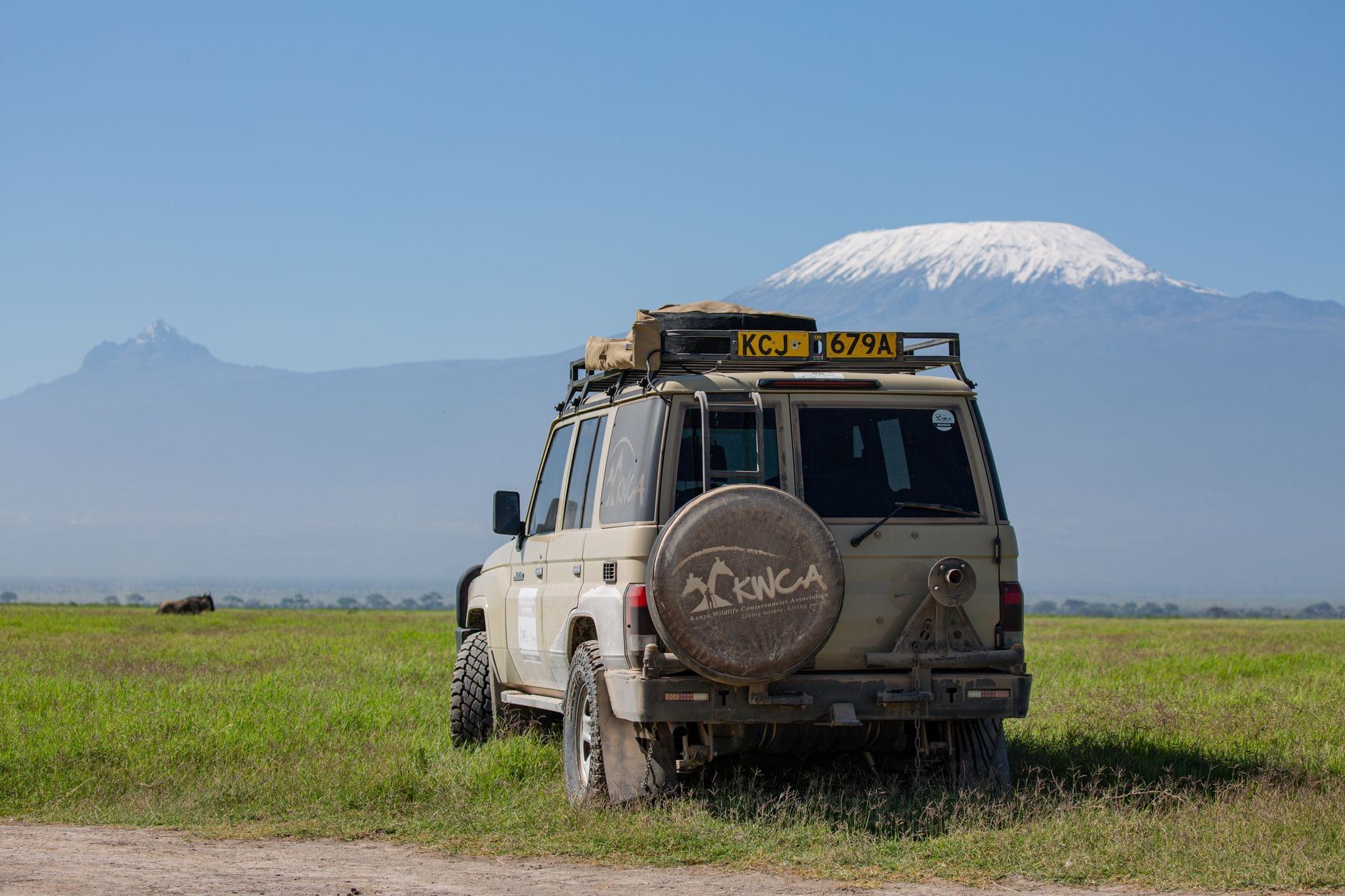
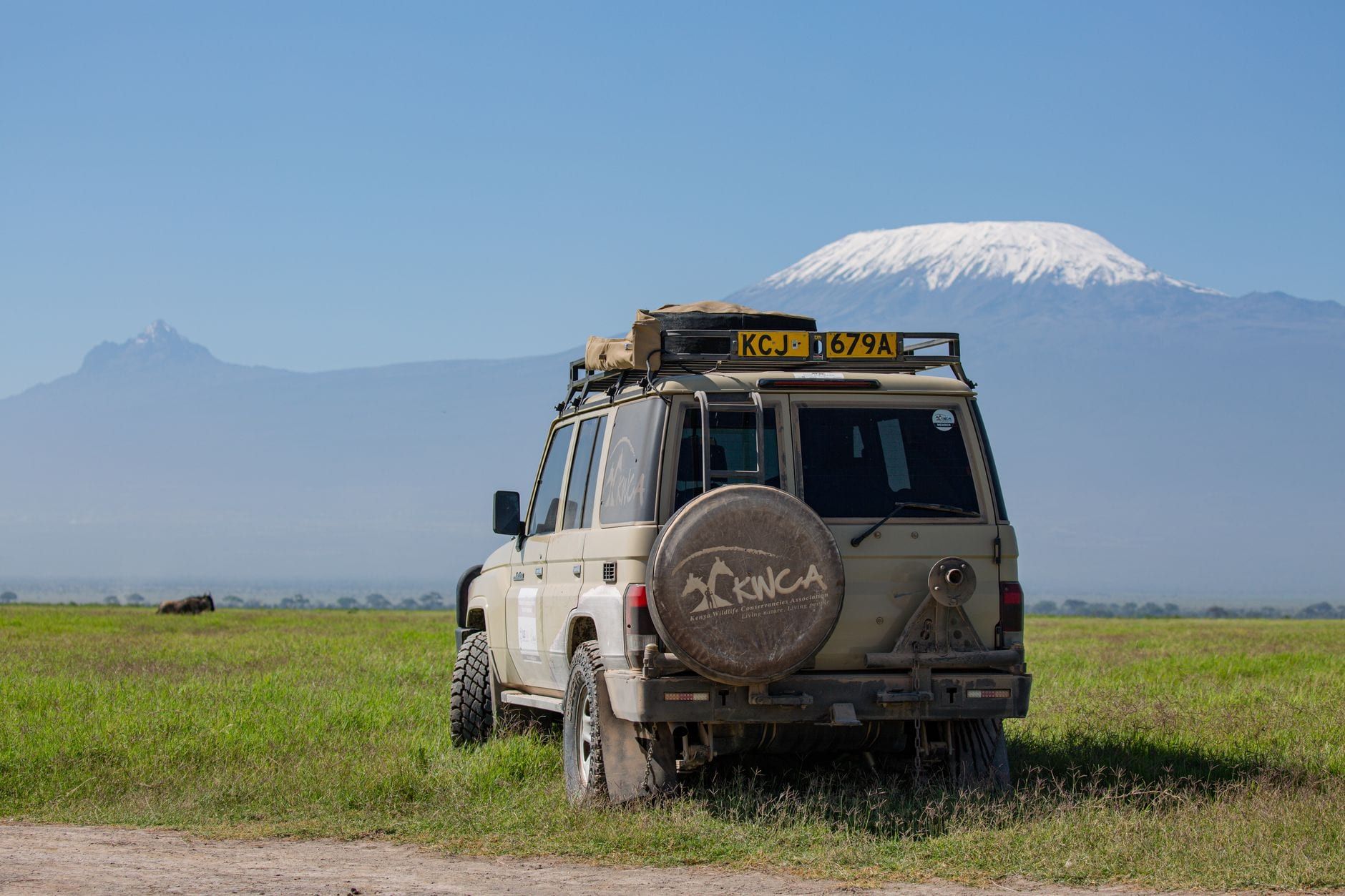
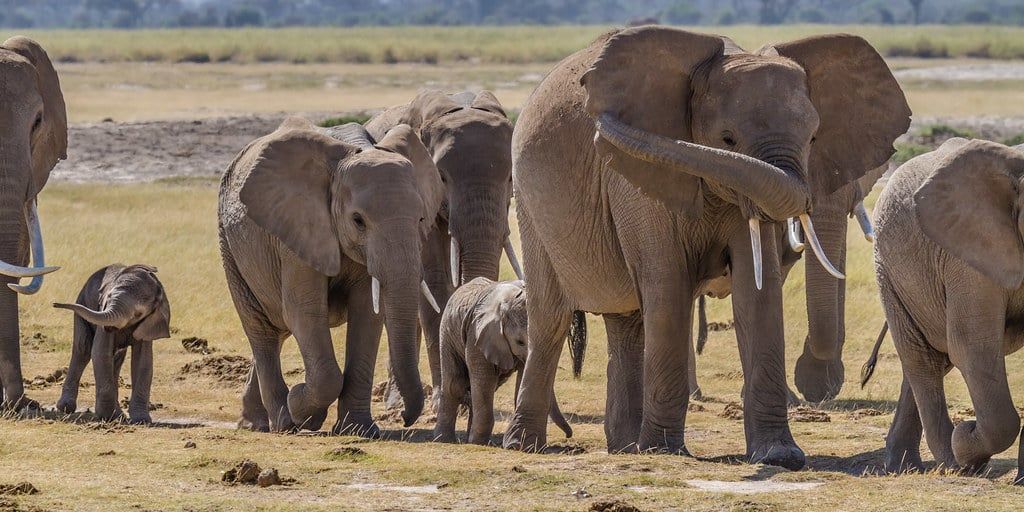
Amboseli parks about 1,800 elephants under Africa's most photographed mountain, and where you sleep decides how much of that you actually see. Only three properties — Ol Tukai Lodge, Amboseli Serena Safari Lodge and Elewana Tortilis Camp — sit inside the 392 km² national park. Every other bed lies outside the gates or on the Maasai-run conservancies ringing the ecosystem, and that single choice changes your mornings, your activities and your bill. This guide maps the whole market, from USD 95 cottages to USD 1,200-a-night luxury tents, with the current KWS fees and honest booking timing. If you're still deciding whether Amboseli fits your itinerary at all, start with our guide to an Amboseli safari.
Amboseli Accommodation at a Glance
Six names cover the spread of the Amboseli market. Prices are indicative per night for two people sharing unless stated, and they move with the seasons.
| Property | Location | From (per night) | Best for |
|---|---|---|---|
| Olemayian Amboseli Cottages | Outside, Kimana side | USD 95 room | Cheapest solid beds |
| Kibo Safari Camp | 2 km from Kimana Gate | USD 250 per couple | Families on a budget |
| Amboseli Serena Safari Lodge | Inside the park | USD 250 per couple | Scale and facilities |
| Ol Tukai Lodge | Inside the park | USD 300 per person | First-timers, Kilimanjaro views |
| Porini Amboseli Camp | Selenkay Conservancy | USD 640 per couple | Exclusive game viewing |
| Elewana Tortilis Camp | Park edge, Kitirua side | USD 1,200 per couple | The luxury splurge |
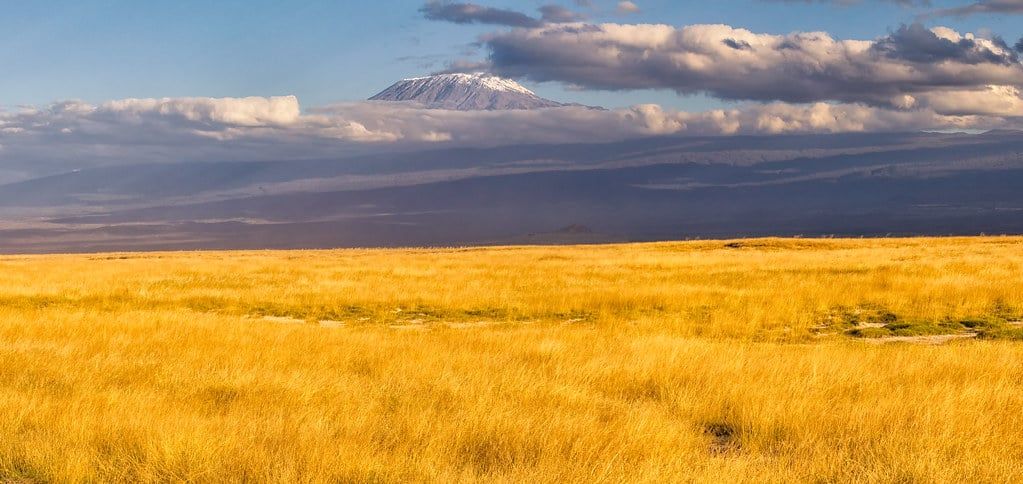
Kilimanjaro views are the currency here, and the claims need checking. Tortilis and Satao Elerai were built for the mountain; Ol Tukai frames it from its bar terrace. Tawi and ol Donyo sit on high ground with long views of it. Serena, despite its central in-park position, has no Kilimanjaro view from the lodge at all. The peak shows best at dawn and late afternoon, clearest around July and August — after that, expect cloud.
Families have three obvious picks. Kibo Safari Camp is fenced, with family tents among its 73. Serena runs two-bedroom family rooms inside its 92. Tortilis adds a private two-bedroom family tent at the top end, which is the one to take if the budget stretches.
What the tiers actually buy: luxury means 9–17 tents, a guide-to-guest ratio measured in single digits, and dinner for a roomful of people. Mid-range means 73–92 rooms, buffets, pools and spas — hotel infrastructure with elephants outside. Neither is wrong. Small camps suit couples and second safaris; the big lodges suit first-timers, groups and anyone who wants a swimming pool at midday.
Inside the Park or Outside: The Decision That Shapes Your Stay
Gates open at 6am and close at 6pm, and everything about an Amboseli stay flows from that. The park is small — 392 km² — so no base is far from the game, but location decides when your day starts, what you're allowed to do, and how many fees stack up.
Inside the Park
Sleep at Ol Tukai, Serena or Tortilis and you're on a game drive at first light, no gate queue, no paperwork. Evenings run the other way: you can sit with the herds until the last usable minute instead of racing the 6pm close. That head start and that sunset are the entire argument, and in July and August they're worth a lot — this is also why the three in-park properties fill first. Prices reflect it.
Just Outside the Gates
Kibo sits 2 km east of Kimana Gate; Kilima Safari Camp and Amboseli Sopa Lodge sit on the same eastern side, with Sopa on especially roomy grounds. Rates run lower than in-park equivalents, and conservancy activities are within reach. The trade-off is mechanical: a 10–30 minute drive to a gate every morning, and a KWS ticket for each day you enter — a ticket covers 24 hours, so a two-night stay outside usually means paying entry two or three times.
On the Conservancies
Tortilis borders Kitirua Conservancy, Porini sits on Selenkay, ol Donyo on Mbirikani Group Ranch, Satao Elerai in the Elerai Conservation Area, and Campi ya Kanzi in the Kimana Community Wildlife Sanctuary about 30 km east. What you get here is what the park bans: night game drives and guided bush walks, plus far fewer vehicles around each sighting. Conservancy fees are usually bundled into the camp rate, so the headline price looks higher but covers more. Park entry still applies for days you drive into Amboseli itself.
So which one? A short cut:
- Photographer: in-park, for the 6am start and the mountain at dawn.
- Family with young kids: fenced Kibo, or Serena's family rooms.
- Tight budget: Olemayian Cottages or a community campsite.
- Second or third safari: a conservancy camp, for walks and night drives.
Undecided between camps? Our Amboseli safari tours bundle transport, guiding and lodging so you can compare the combinations side by side.
Luxury Tented Camps and Lodges
The top end of Amboseli is small-camp territory: canvas under makuti thatch, private guiding and a mountain view from bed. Six properties define it.
Elewana Tortilis Camp
Sixteen makuti-covered tents plus a private two-bedroom family tent, set on the Kitirua side of the park with the mountain in front of you. From about USD 1,200 per couple. It's the classic Amboseli splurge, and the reason is simple: this is the view the brochures photograph.
Tawi Lodge
Twelve thatched chalets, many with bathtubs, on its own wildlife area outside the park. Tawi runs a conservation partnership with the African Wildlife Foundation and works closely with neighbouring Maasai communities. Quieter than Tortilis, and usually cheaper.
Satao Elerai Camp
Seventeen cottages and tented suites climbing a hillside in the Elerai Conservation Area, with an infinity pool above the plains. The panoramas take in both the flats and Kilimanjaro. Ask for a suite high on the slope — the elevation is the whole point of the site.
ol Donyo Lodge
On Mbirikani Group Ranch, run by Great Plains Conservation, with oversized suites and a photographic hide at a waterhole — you sit at animal level while they come to you. Walking and horseback safaris run from the lodge. It's the most expensive bed in the ecosystem and behaves like it.
Campi ya Kanzi
A Maasai-run camp in the Kimana Community Wildlife Sanctuary, about 30 km east of the park, with conservation and community programs built into how it operates rather than bolted on. You're trading park proximity for a genuinely local setup and the Chyulu Hills on your doorstep.
Porini Amboseli Camp
Nine traditional tents on the Selenkay Conservancy, all-inclusive from about USD 640 per couple. Nine tents means you'll know every guest by dinner. This is the accessible entry to the conservancy experience — the same walks and night drives as ol Donyo at roughly half the price.
Mid-Range and Classic Lodges
Most visitors to Amboseli sleep at this tier, and for good reason: it delivers elephants, a pool and a hot buffet without the four-figure nightly bill. Five names dominate.
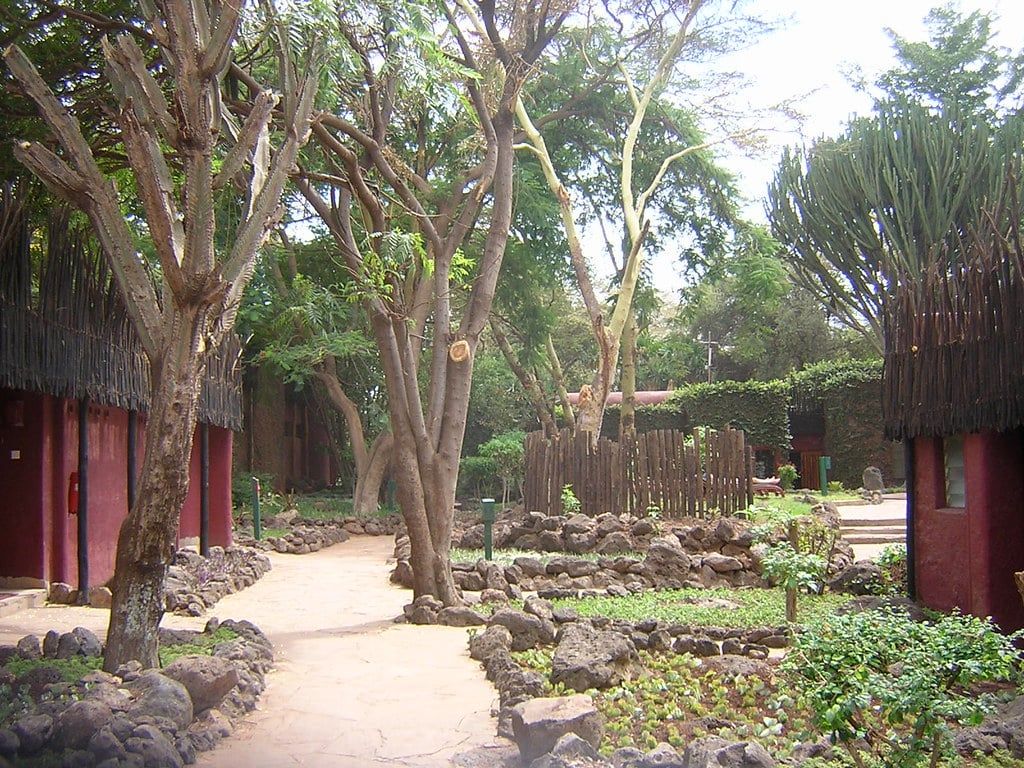
Ol Tukai Lodge
Eighty rooms in the middle of the park, with Kilimanjaro framed from the bar terrace and the swamps a short drive away. It runs around USD 300 per person per night — booking sites show roughly USD 510 for a couple. The best all-rounder for first-timers and families who want to wake up inside the park without luxury pricing.
Amboseli Serena Safari Lodge
Ninety-two rooms, also central, with a buffet restaurant, pool, spa and nightly cultural entertainment. The honest caveat: no Kilimanjaro view from the lodge. From about USD 250 per couple, it's the facility pick — the one for travelers who want a full-service hotel in the middle of a national park.
Amboseli Sopa Lodge
Eighty-three chalet rooms spread across a large plot outside the eastern boundary. It's about 250 km and four hours from Nairobi by road, or a 30-minute flight from Wilson Airport plus roughly an hour's transfer. Good value if you want space and lawns rather than a prime game-drive position.
Kibo Safari Camp
Seventy-three self-contained tents 2 km east of Kimana Gate, behind a fence, with a pool, spa and restaurant. From about USD 250 per couple. The fence is the selling point for parents — kids can move around camp freely — and the gate is close enough that the morning drive costs you ten minutes.
Kilima Safari Camp
Tents with four-poster beds angled at a waterhole, from about USD 400 per couple on the eastern side near the gate. You can watch animals come to drink from your veranda, which at this price tier is unusual. Split the difference between Kibo and Ol Tukai if waterhole viewing appeals.
At this level, pools, spa treatments and buffet dining are standard at the bigger properties, and Serena and Kibo both lean into evening entertainment. What you don't get is intimacy — dinner at a 90-room lodge is dinner at a 90-room lodge. If that matters more than the pool, put the money toward Porini instead.
Budget Stays and Camping
No ranking article in this market serves budget travelers, which is odd, because Amboseli can be done cheaply — just with compromises you should know about in advance.
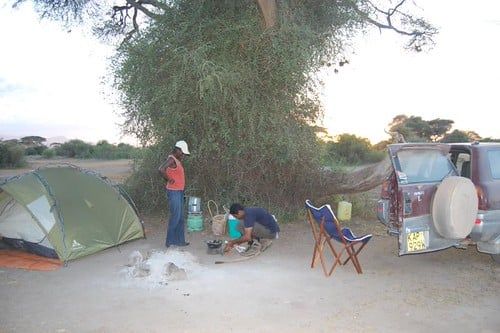
Budget Lodges and Cottages
Olemayian Amboseli Cottages start around USD 95 a night, with Sentrim Amboseli Lodge and AA Lodge Amboseli in the same USD 95–150 bracket. What that buys is a bed, a shower and hot food near the gates — not a safari atmosphere. The game is still a drive and a gate fee away each morning, so price the days honestly: two nights plus three days of entry adds USD 270 per adult in park fees alone.
Community Campsites
No public campsite reliably operates inside the park these days, even though KWS still publishes public-campsite rates (USD 30 per non-resident adult, with special campsites at USD 50 plus a KES 10,000 weekly reservation fee). The working budget options are community-run sites outside the gates: Manjaro Camp near Kimana Gate at about KES 1,500 per person per night for residents, with shared bathrooms and optional cooking; Olgulului Camp near Meshanani Gate, negotiable down to about KES 500 per person with no facilities at all. You need a 4x4 to reach either.
When is camping worth it? If you're self-driving with your own gear, absolutely — it's the cheapest roof in the ecosystem. If you'd be hiring a 4x4 and a cook anyway, do the arithmetic: vehicle, fuel, gear and daily entry can nudge the mid-range camps at USD 250 per couple, and those include beds, meals and a guide. For packaged trips, the mid-range camps almost always win.
Practical Planning: Park Fees, Getting There, and When to Book
Every nightly rate above sits on top of KWS conservation fees, effective 1 October 2025 and valid for a single 24-hour access. Payment is cashless via the KWSPay eCitizen portal, and vehicles are charged separately, from KES 600 per day for under six seats. Full details are on our opening hours and entry fees page.
| Visitor status | Adult | Child/student |
|---|---|---|
| Non-resident | USD 90 | USD 45 |
| Kenya resident | KES 2,025 | KES 1,050 |
| East African citizen | KES 1,500 | KES 750 |
Children aged 5 and under enter free, and Kenyan citizens aged 70+ are exempt. The structure that matters for accommodation planning: if you stay outside the park, you pay entry for every day you drive in. Staying inside, the ticket arithmetic is folded into your stay.
Getting There
By road from Nairobi it's 204 km to Iremito Gate via Emali, or 220 km via Namanga to Meshanani Gate — four to five hours either way, with Emali the last place for fuel, banks and shops. The SGR railway runs to Emali, leaving a roughly 91 km road leg you'd need to arrange. Faster: a 35–60 minute scheduled flight from Nairobi Wilson Airport on Safarilink or AirKenya, from about USD 160 one-way, plus an hour's transfer from the airstrip to most lodges. Routes and transfer options are covered in our guide to getting to Amboseli, and tours from Nairobi handle the driving for you.
When to Book
June to October is the prime window — dry, short grass, wildlife packed around the permanent swamps — and demand peaks accordingly. The three in-park properties and the 9–17-tent conservancy camps are the scarce beds: commit several months ahead for that period, earlier still for July and August, when Kilimanjaro is also at its clearest. January and February bring a shorter, hotter dry season with good viewing, thinner crowds and better rates. March to May is the value window — the long rains disperse animals beyond the park and can waterlog tracks, so it suits flexible travelers and birders. More on timing in our best time to visit Amboseli guide.
Add-Ons to Budget
A hot-air balloon flight from an Amboseli camp runs about USD 450–500 per person. Night drives and bush walks are conservancy extras, typically included or bookable through conservancy camps and unavailable in-park. Maasai village visits carry a fee, and ask before photographing people. Two nights with a balloon and a village visit is a realistic splurge itinerary — and if you'd rather someone stitched it together, overnight Amboseli tours bundle the lodging, fees and activities into one price.
Amboseli Accommodation: FAQs
How much does accommodation in Amboseli National Park cost?
Roughly USD 95 a night for budget cottages, USD 250–400 per couple for mid-range camps (Kibo, Serena, Kilima), about USD 640 per couple all-inclusive at Porini, and from USD 1,200 per couple at the top end (Tortilis). Add KWS entry at USD 90 per non-resident adult per day.
Is it better to stay inside Amboseli National Park or outside?
Inside means instant 6am game drives, no gate queues and evenings that run to the last minute of light. Outside is usually cheaper, with shorter total drives from Nairobi, and conservancy-based camps add night drives and bush walks — both banned inside the national park.
Can you camp in Amboseli National Park?
Not reliably inside the park, where public campsites have come and gone. Budget camping happens at community sites outside the gates: Manjaro near Kimana Gate at about KES 1,500 per person per night (resident rate, shared bathroom), and Olgulului near Meshanani Gate, negotiable from about KES 500 with no facilities. A 4x4 is needed to reach them.
Which Amboseli lodges are best for families?
Kibo Safari Camp (73 fenced tents including family units) and Amboseli Serena (92 rooms including two-bedroom family rooms) are the standard picks, with Ol Tukai close behind. At the luxury end, Elewana Tortilis has a private two-bedroom family tent.
How do you get to Amboseli from Nairobi?
By road, 204–220 km and four to five hours via Emali (Iremito/Kimana Gates) or Namanga (Meshanani Gate). By air, a 35–60 minute flight from Nairobi Wilson Airport on Safarilink or AirKenya, from about USD 160 one-way, plus roughly an hour's transfer to most lodges.
When is the best time to visit Amboseli for game viewing?
June to October: dry conditions, short grass and wildlife concentrated at the permanent swamps. Kilimanjaro is clearest around July and August, and shows best at dawn and late afternoon year-round. The March–May long rains disperse animals and can waterlog tracks.
What's the difference between a lodge and a tented camp in Amboseli?
Lodges are permanent brick-and-mortar buildings (Serena's 92 rooms, for example). Tented camps are canvas under thatch or makuti, like Tortilis's 16 tents. At the upper end the difference is mostly aesthetic — a luxury tent has a proper bed and hot shower and feels closer to the bush.
Do conservancy camps charge Amboseli park fees too?
KWS entry (USD 90 per non-resident adult per day) applies to days you spend inside the national park, regardless of where you sleep. Conservancies charge their own fees, which are usually bundled into the camp's rate — as are the night drives and walks the park doesn't allow.